8 Most Important Travel Documents You Need Before Traveling
Travel planning is exciting, but missing or incomplete documents can ruin everything in seconds. I have seen trips delayed, shortened, or canceled simply because one paper was overlooked.
Having the right travel documents ready gives you confidence, smoother airport experiences, and peace of mind from start to finish.
1. Passport: The Foundation of All International Travel
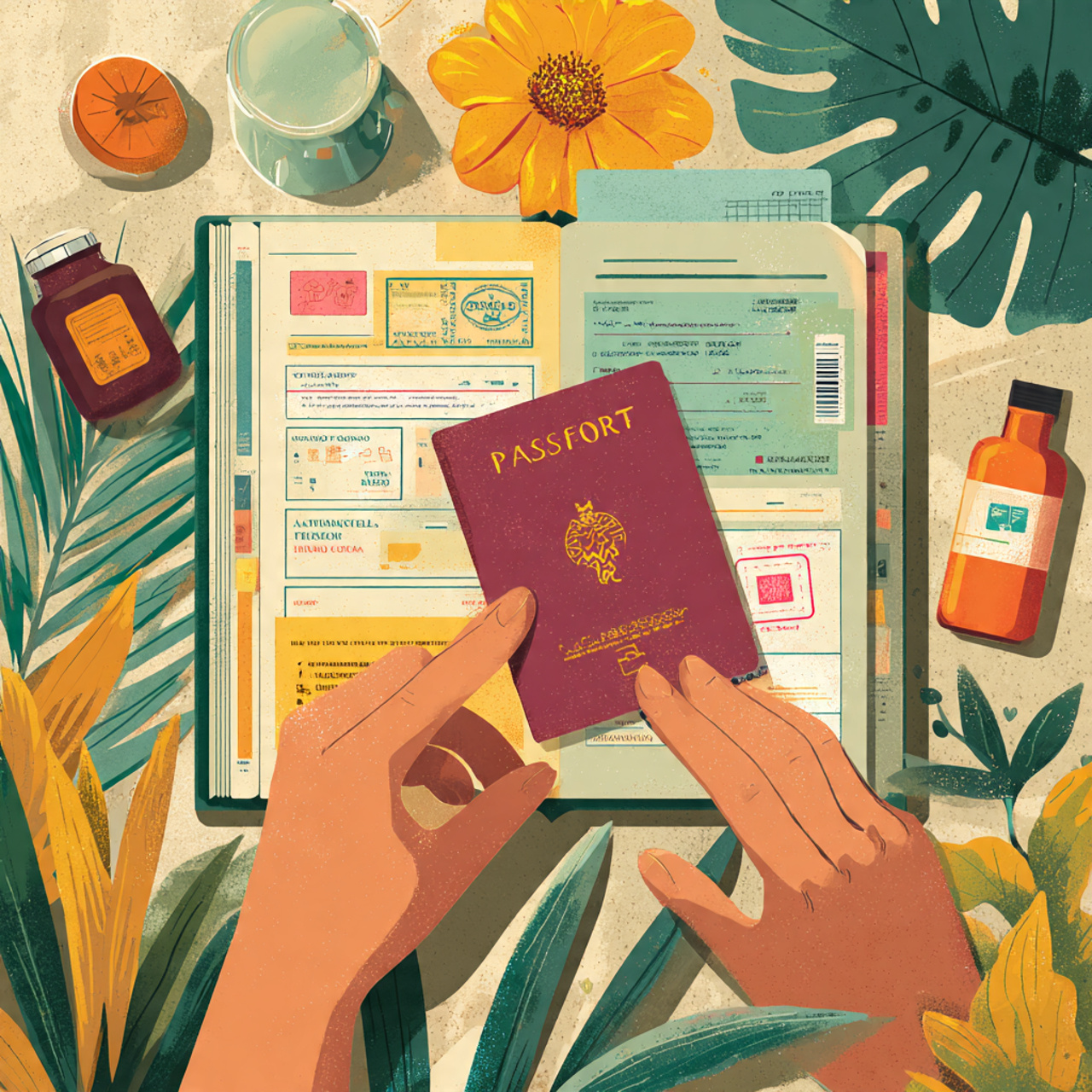
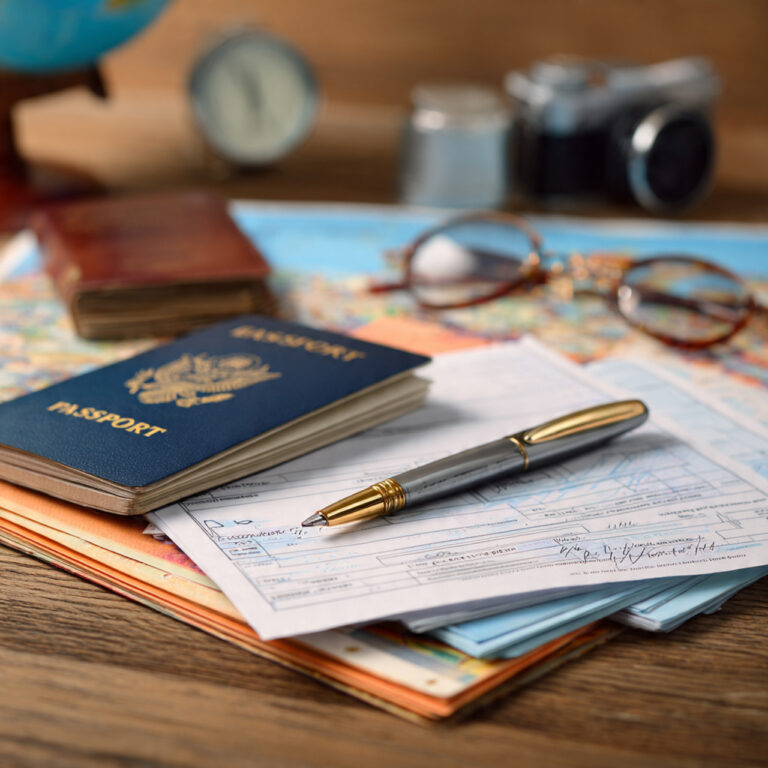
Your passport is the most important travel document you own. Without it, international travel is impossible, no matter how well planned the rest of your trip is.
Many travelers assume having a passport is enough, but small details can still cause big problems. Checking your passport carefully should always be your first step.
Validity Rules You Should Check Early
Most countries require your passport to be valid for several months beyond your travel dates. This rule surprises many first time travelers.
Common requirements include
- At least six months validity remaining
- One or two blank pages for entry stamps
- No visible damage to the passport
Checking these details early prevents last minute panic.
Common Passport Mistakes to Avoid
Simple mistakes can lead to denied boarding or entry. These errors are easy to overlook when rushing.
Avoid issues like
- Traveling with an almost expired passport
- Torn or water damaged pages
- Mismatched names compared to tickets
Treat your passport with care and double check details often.
2. Visa: Understanding Entry Requirements Before You Book
A visa gives you permission to enter a country for a specific reason and duration. Not every destination requires one, but many do.
I learned quickly that visa rules change often and vary by nationality. Never assume entry rules are the same for everyone.
Visa Free vs Visa Required Countries
Some countries allow short visits without a visa, while others require approval before arrival. This depends on your passport.
You should always check
- Entry rules for your nationality
- Length of stay allowed
- Activities permitted under each visa type
Official government sources provide the most accurate information.
When to Apply and What to Prepare
Visa applications often require time and documents. Applying late increases stress and risk.
Common visa requirements include
- Passport copies
- Photos meeting strict rules
- Proof of funds or accommodation
Starting early gives you room to fix issues calmly.
3. Flight Tickets and Boarding Information
Flight tickets confirm your travel plans and are often requested during check in and immigration checks. Even digital tickets need proper organization.
I once relied on weak internet access and learned the value of backups very quickly.
Digital vs Printed Tickets
Digital tickets are convenient, but technology can fail. Phones die and apps crash.
It helps to have
- Screenshots saved offline
- Printed copies in your bag
- Email access to booking confirmations
Backups remove unnecessary stress during travel.
Why Backup Copies Still Matter
Some airports and border officers still request printed proof. Having it ready speeds things up.
Backup copies also help when flights are delayed, rebooked, or checked by multiple officials.
4. Travel Insurance Documents
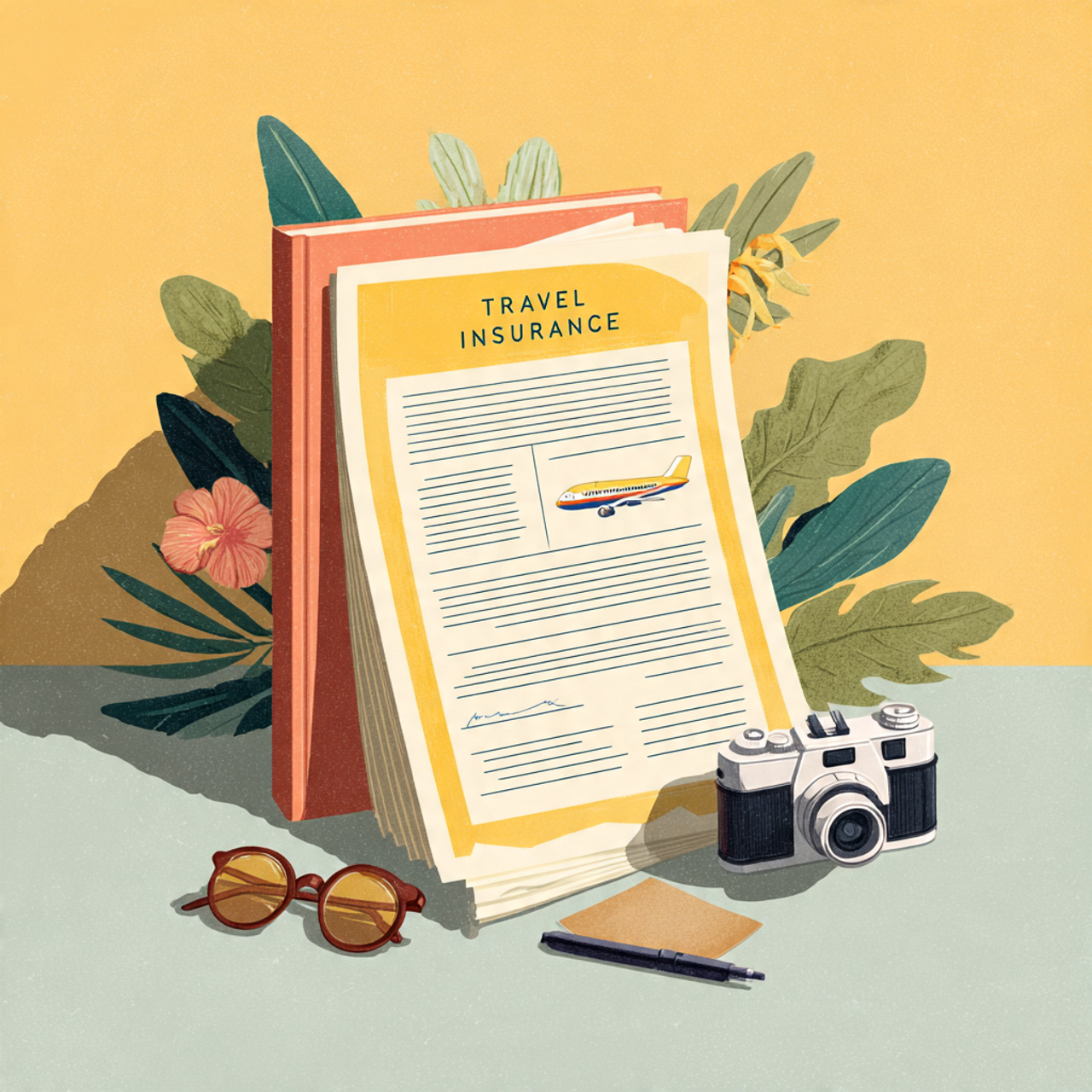
Travel insurance protects you from unexpected costs like medical emergencies, trip cancellations, or lost luggage. Many travelers skip this until something goes wrong.
After experiencing a medical issue abroad, I never travel without insurance again.
What Travel Insurance Actually Covers
Coverage varies by policy, so reading details matters. Not all insurance plans offer the same protection.
Typical coverage may include
- Emergency medical care
- Trip cancellations or delays
- Lost or stolen luggage
Knowing your coverage helps you act fast if issues arise.
Proof of Insurance Some Countries Ask For
Some countries require proof of travel insurance for entry. Border officers may ask for documentation.
Keep digital and printed copies accessible. Make sure coverage dates match your travel period.
5. Proof of Accommodation and Travel Itinerary
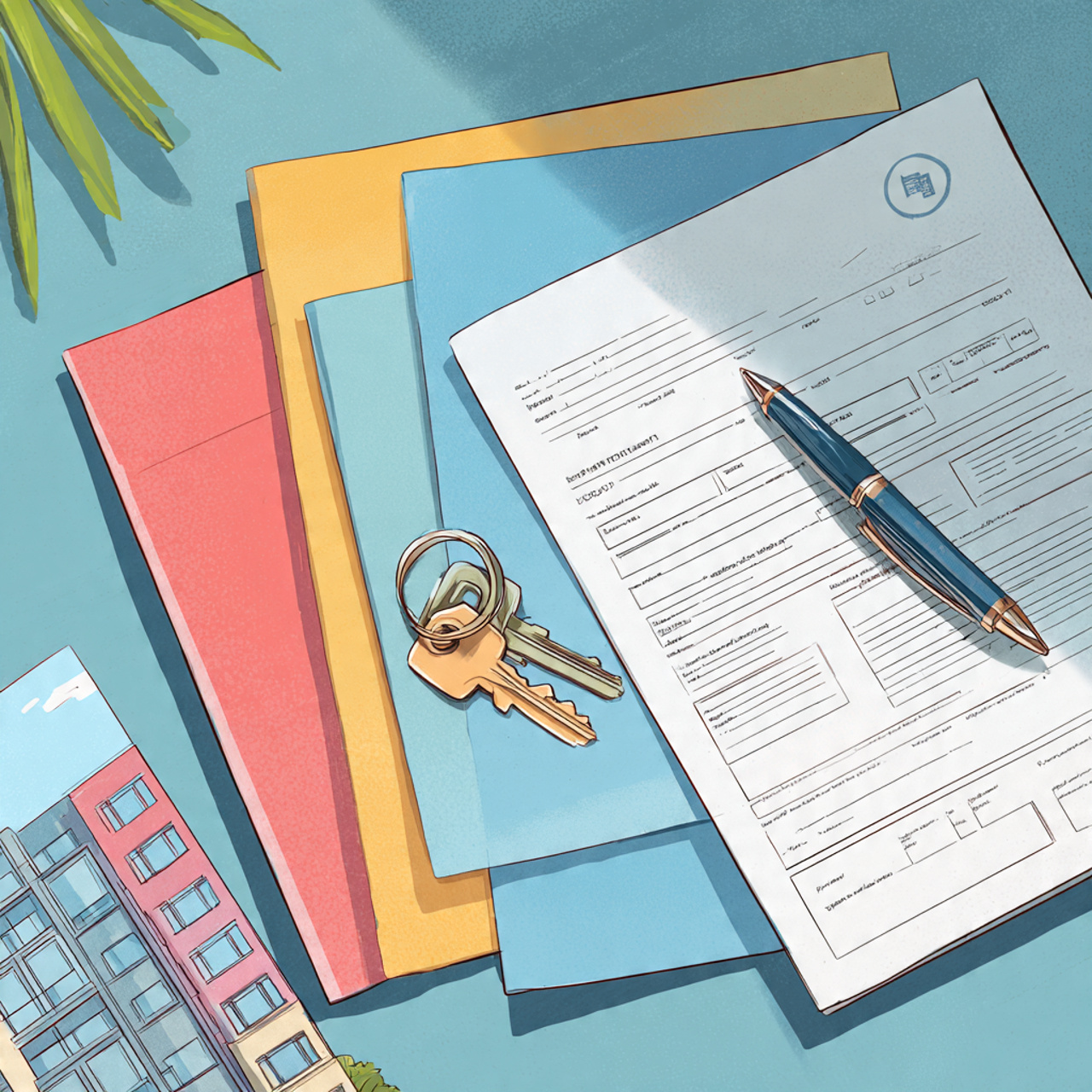
Many travelers are surprised when immigration officers ask where they are staying. Proof of accommodation reassures authorities of your travel plans.
Having this information ready shows preparation and honesty.
Hotel Bookings, Hostels, and Rentals
Accommodation proof can include hotel reservations, hostel bookings, or rental confirmations.
Make sure documents show
- Your name
- Stay dates
- Property address
Even flexible bookings are usually accepted.
Why Border Officers May Ask for These
Immigration officers use accommodation proof to confirm travel purpose and duration.
Having clear documents speeds up questioning and reduces suspicion.
6. Health and Vaccination Records
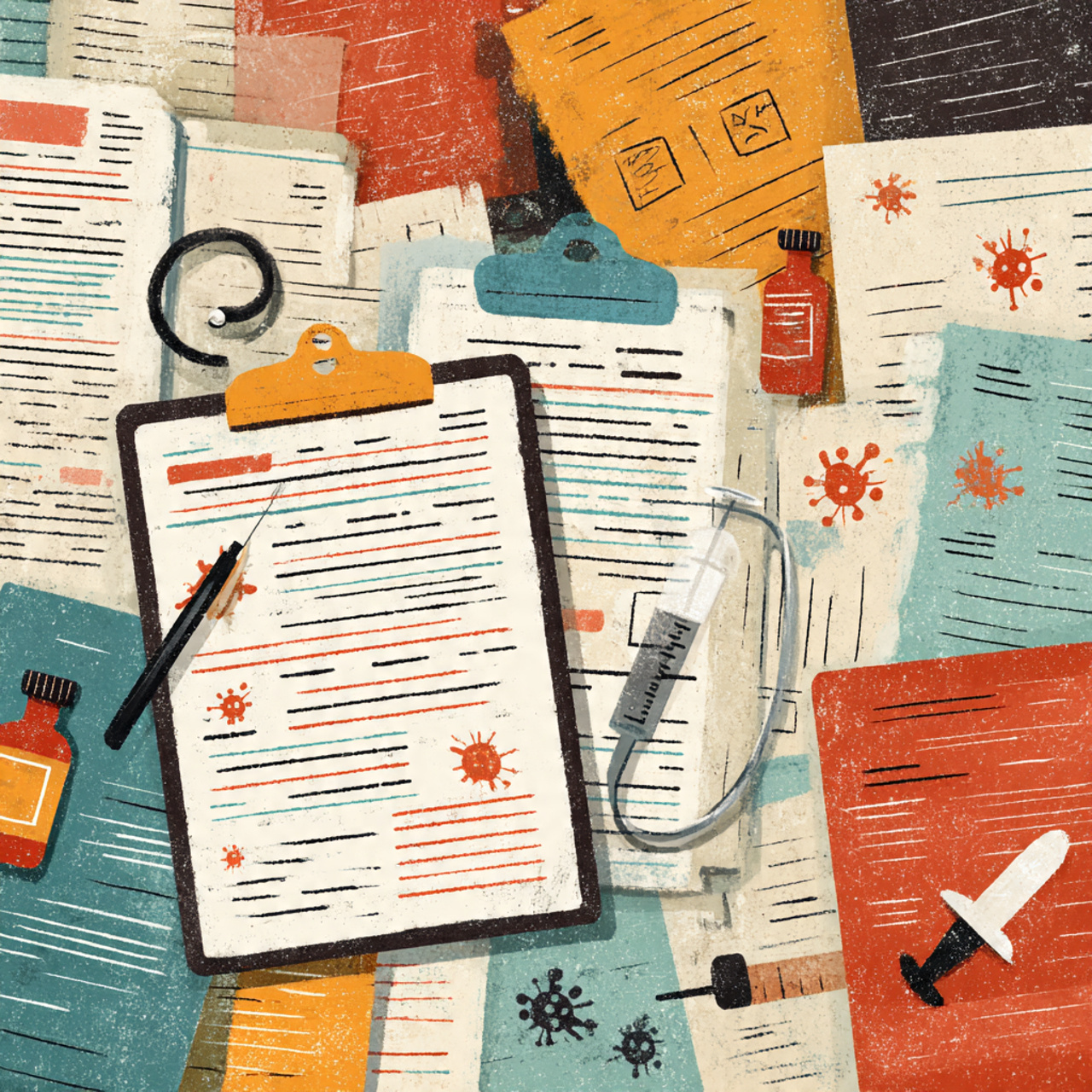
Health requirements vary by destination and change over time. Some countries require proof of vaccinations or medical clearance.
Ignoring health documentation can lead to denied entry or quarantine.
When Medical Proof Is Required
Certain destinations require vaccination records for diseases like yellow fever. Others may require recent test results.
Check requirements based on
- Destination country
- Transit countries
- Current global health rules
Official health websites provide reliable updates.
Keeping Health Documents Accessible
Health documents should be easy to reach when requested. Delays can cause complications.
Store them
- Digitally on your phone
- Printed in your document folder
- Backed up in email or cloud storage
Organization saves time and stress.
7. Identification and Emergency Contact Information
While your passport is primary ID, having additional identification is helpful. It also protects you if your passport is lost.
Emergency contact information is equally important but often forgotten.
Secondary ID Options
Secondary ID helps confirm your identity when needed. It can also support police reports or embassy assistance.
Useful options include
- National ID card
- Driver’s license
- Student or work ID
Keep these separate from your passport.
Preparing Emergency Details
Emergency contacts help authorities assist you quickly. Write them down clearly.
Include
- Names and phone numbers
- Relationship to you
- Any medical conditions
This information is invaluable in emergencies.
8. Financial Proof and Payment Documents

Many countries want to know you can support yourself financially during your stay. Proof of funds is often requested at borders.
Being prepared prevents uncomfortable questioning.
Bank Statements and Proof of Funds
Some destinations require proof that you can cover accommodation and daily expenses.
Accepted proof may include
- Recent bank statements
- Credit card limits
- Sponsorship letters
Always check country specific requirements.
Cards, Cash, and Backup Options
Relying on one payment method is risky. Cards can fail and cash can run out.
Carry
- At least two bank cards
- Some local or foreign currency
- Emergency backup funds
Financial flexibility keeps travel smooth.
How to Organize and Protect Your Travel Documents
Having documents is only helpful if they are organized and protected. Poor organization creates unnecessary stress.
I learned that a simple system makes travel far easier.
Digital Storage Tips
Digital copies act as backups if physical documents are lost or stolen.
Helpful digital practices include
- Saving files offline on your phone
- Using secure cloud storage
- Emailing copies to yourself
Digital access adds peace of mind.
Physical Copies and Safety Habits
Physical documents still matter. Keep them secure but accessible.
Use
- A travel document folder
- A money belt or secure bag
- Separate storage for backups
Good habits reduce loss and damage risks.
Final Thoughts
Travel documents are not just paperwork, they are your access to smooth and stress free travel. From personal experience, preparing early removes anxiety and saves time at every stage.
When your documents are complete and organized, you travel with confidence, focus on experiences, and handle unexpected situations calmly. Preparation truly makes all the difference.