8 Travel Mistakes First-Time Travelers Make and How to Avoid Them
Traveling for the first time is exciting, but it can also be overwhelming if you’re not prepared. Many first-time travelers make avoidable mistakes that can turn what should be an amazing adventure into a stressful experience.
From packing too much to underestimating local customs, here’s a friendly guide on the 8 travel mistakes first-time travelers often make, and how you can avoid them.
1. Overpacking and Carrying Too Much Luggage
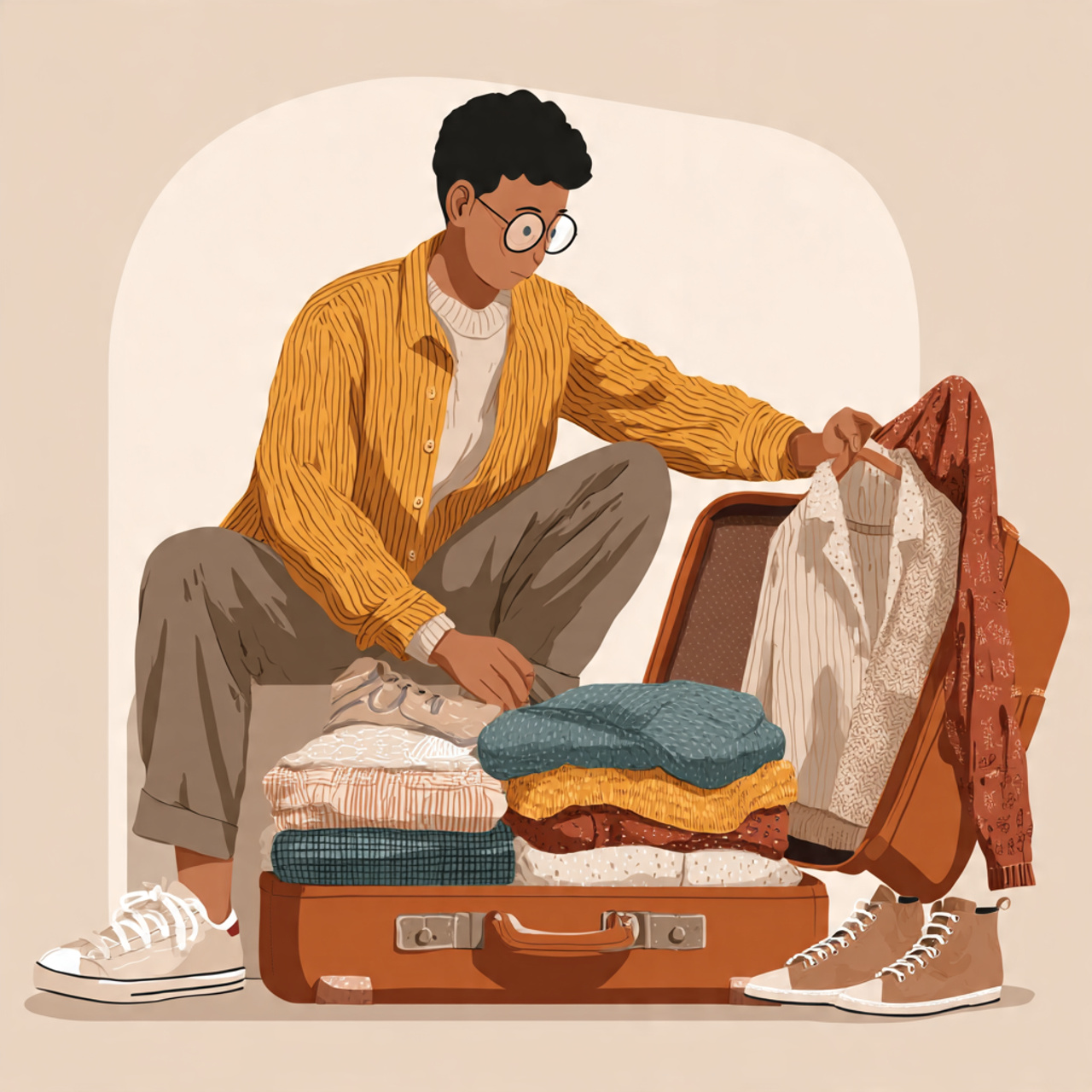
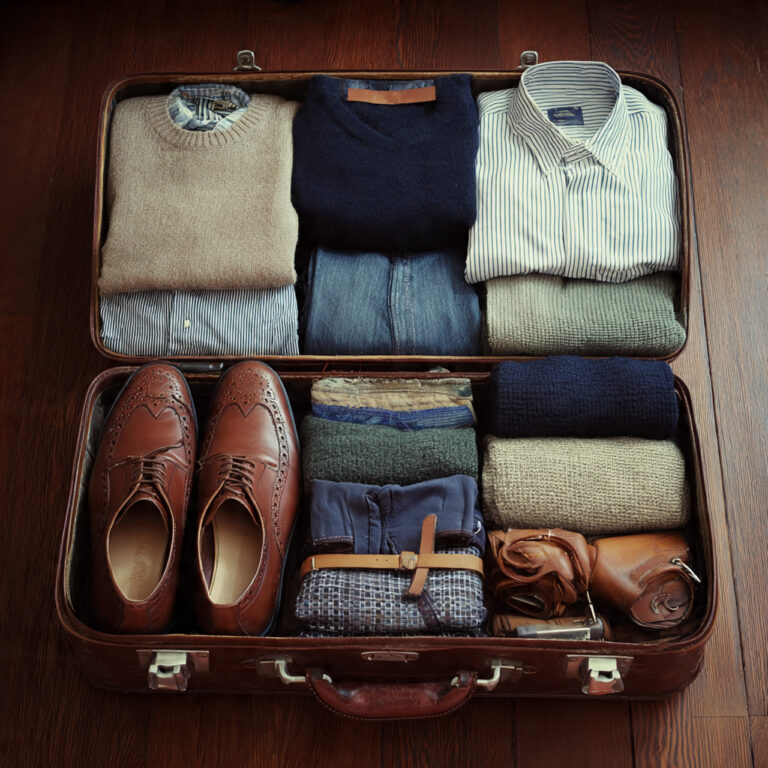
One of the most common mistakes for first-time travelers is overpacking. It’s easy to want to bring every outfit, gadget, or accessory “just in case,” but this often leads to heavy bags, stress at the airport, and unnecessary baggage fees.
Tips to avoid overpacking:
- Create a capsule wardrobe: Choose versatile clothing that mixes and matches easily.
- Pack only essentials: Ask yourself if you truly need each item. If the answer is no, leave it behind.
- Use packing cubes: They keep your items organized and help save space.
- Remember laundry options: Most hotels and hostels have laundry facilities, so you don’t need a two-week supply of clothes.
Traveling light not only reduces physical strain, it also gives you more freedom to move around, explore, and even bring back souvenirs without worrying about weight limits.
2. Not Researching the Destination Properly
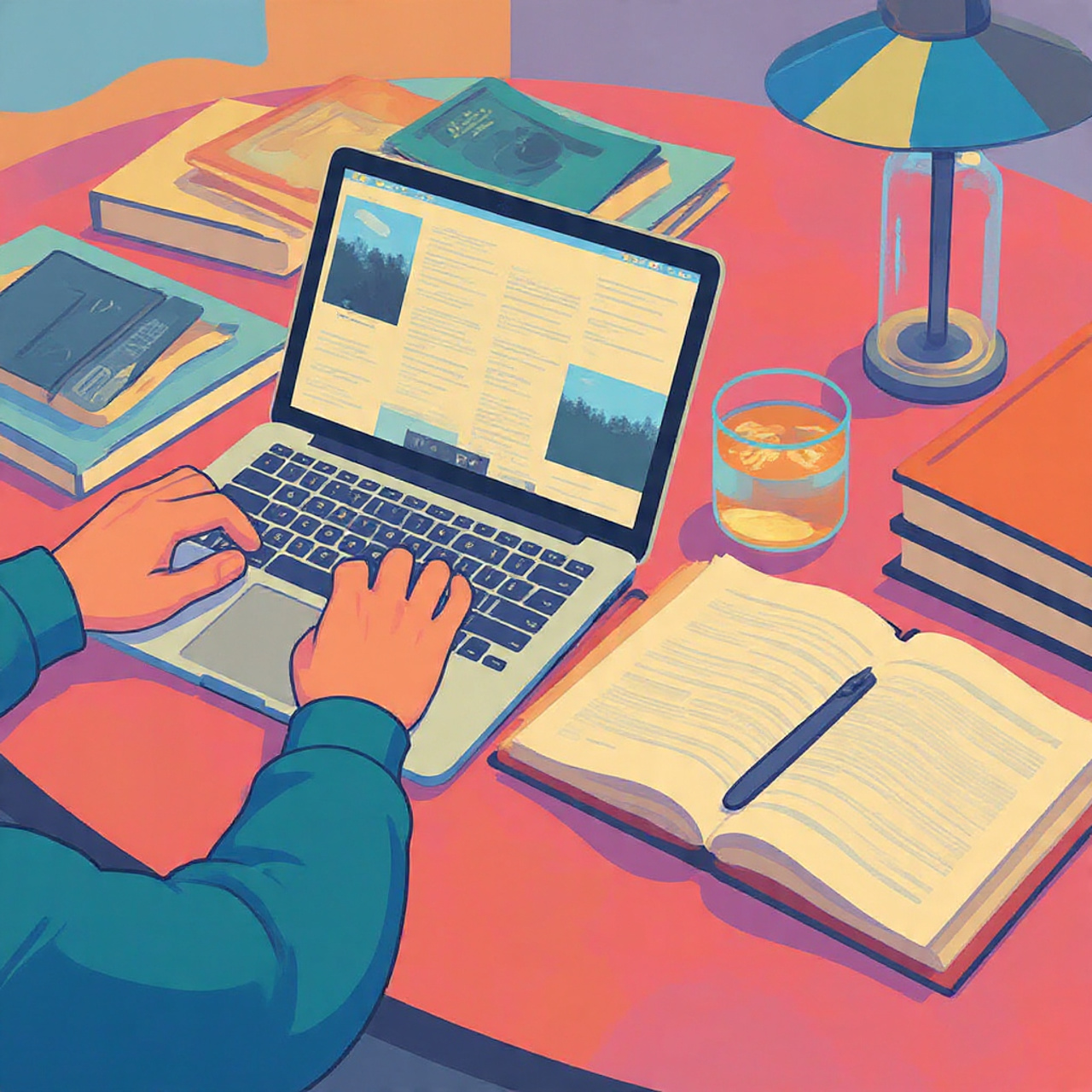
Arriving at a new destination without doing research can lead to missed opportunities or uncomfortable surprises. First-time travelers often underestimate how different cultures, climates, and transportation systems can be.
How to research effectively:
- Learn about local customs: Understanding dress codes, tipping practices, and etiquette shows respect and prevents awkward moments.
- Check visa and entry requirements: Some countries require advance applications, and not knowing can ruin your plans.
- Study transportation options: Knowing how to get around saves time and money. Look into public transport, ride apps, and walking routes.
- Plan activities ahead: Identify top attractions, local events, and must-try experiences, but leave room for spontaneous adventures.
A little research goes a long way. You’ll feel more confident navigating streets, communicating with locals, and enjoying your trip fully.
3. Ignoring Travel Insurance and Safety Precautions
First-time travelers sometimes think they don’t need travel insurance, but skipping it can be a costly mistake. Medical emergencies, lost luggage, or trip cancellations can happen unexpectedly.
Ways to stay safe while traveling:
- Purchase travel insurance: Make sure it covers medical emergencies, trip delays, and personal belongings.
- Keep copies of important documents: Store digital and physical copies of your passport, ID, and travel bookings.
- Learn emergency contacts: Know the local emergency numbers, embassy contacts, and nearby hospitals.
- Stay aware of surroundings: Avoid risky areas, travel in groups at night if possible, and always trust your instincts.
Travel insurance is peace of mind, allowing you to enjoy your trip without worrying about “what ifs.”
4. Failing to Plan a Realistic Budget

Travel can get expensive fast, and first-time travelers often underestimate the cost of accommodation, meals, transport, and activities. Overspending early can force you to cut fun experiences later in your trip.
Tips to manage your travel budget:
- Break down your expenses: Separate accommodation, food, transport, attractions, and emergency funds.
- Research costs in advance: Know the average prices for hotels, meals, and transportation.
- Use budgeting apps: Track your spending in real time to avoid surprises.
- Prioritize experiences: Decide what matters most to you and allocate your budget accordingly.
By planning a realistic budget, you’ll have more control over your finances and avoid unnecessary stress.
5. Booking Flights or Accommodation Last Minute

Waiting until the last minute to book flights or accommodation is a common first-time traveler mistake. Prices can skyrocket, and the best options might already be sold out.
How to book smarter:
- Book flights early: Ideally 2 to 3 months in advance for international trips, 1 to 2 months for domestic travel.
- Reserve accommodation in advance: This ensures better rates and more comfortable choices.
- Check cancellation policies: Life happens, so having flexible booking options is helpful.
- Consider alternative stays: Airbnb, hostels, and boutique hotels can offer better deals than traditional hotels.
Early planning makes your trip less stressful and more enjoyable, leaving you with more time to focus on experiences rather than logistics.
6. Underestimating Local Transportation Needs
Many first-time travelers assume getting around will be easy, only to find themselves confused by buses, trains, or unfamiliar streets. Transportation can make or break your experience.
Tips for smoother travel:
- Learn the public transport system: Download maps or apps to navigate efficiently.
- Consider ride-hailing apps: Uber, Bolt, or local alternatives can be safer and faster in some cities.
- Use walkable routes: Many destinations have pedestrian-friendly areas worth exploring on foot.
- Know local taxi etiquette: Understand how fares, tipping, and negotiations work in the country you are visiting.
Being prepared for local transport ensures you spend less time worrying and more time enjoying your trip.
7. Not Preparing for Cultural Differences

Traveling to a new country means stepping into a different culture. First-time travelers often make the mistake of assuming everyone shares the same customs, which can lead to misunderstandings or even unintentional offense.
Ways to respect cultural differences:
- Learn basic phrases: Greeting locals in their language is polite and appreciated.
- Understand social norms: Check how to dress, interact, and behave in public places.
- Respect religious practices: Avoid visiting sacred sites during inappropriate times and follow rules.
- Be open-minded: You may encounter habits and traditions different from what you are used to, and embracing them enhances your experience.
Showing respect and curiosity about local culture makes interactions more enjoyable and memorable.
8. Trying to Do Too Much in Too Little Time
Many first-time travelers try to fit every attraction and experience into a tight schedule, leaving little time for rest or spontaneous fun. This can turn a dream trip into a tiring, rushed experience.
How to pace your trip:
- Prioritize key experiences: List the must-see attractions, then add secondary ones if time allows.
- Schedule downtime: Include moments to relax, enjoy local cafes, or stroll through streets without rushing.
- Leave room for surprises: Sometimes unplanned adventures are the most memorable.
- Use guided tours wisely: They save time and provide context, but don’t overbook yourself.
A balanced itinerary keeps you energized, happy, and fully present to enjoy each moment of your journey.
Conclusion
Traveling for the first time is full of excitement, learning, and adventure. Avoiding these common mistakes, overpacking, skipping research, ignoring insurance, mismanaging your budget, last-minute bookings, transportation confusion, cultural misunderstandings, and over-scheduling, can make a huge difference in how much you enjoy your trip.
By planning carefully, traveling light, respecting local customs, and pacing yourself, you’ll create an unforgettable first-time travel experience. Remember, the goal is not just to see new places, but to feel them, enjoy them, and return home with amazing memories.