How to Create a Perfect Travel Itinerary (In One Hour or Less)
Planning a trip does not have to feel stressful or take days of your life. I have learned over time that the best itineraries are simple, flexible, and built around how you actually feel when traveling, not how travel blogs say you should feel.
In this guide, I will show you how to create a solid travel itinerary in one hour or less, without overthinking it or overloading your days.
Why You Need an Itinerary, But Not an Overpacked One

An itinerary is not a prison. It is a loose plan that helps you enjoy your trip without waking up every morning confused or overwhelmed.
A good itinerary helps you:
- Know what matters most on your trip
- Avoid wasting time deciding what to do each day
- Reduce stress, especially in a new place
A bad itinerary does the opposite. It packs too many activities into one day and leaves no room to breathe. The goal here is balance, not perfection.
What to Decide Before You Start Planning
Before you open Google Maps or search for attractions, pause and answer a few simple questions. This step alone can save you a lot of time.
Trip length
How many full days do you actually have, excluding arrival and departure days?
Budget comfort level
Are you traveling on a tight budget, a moderate one, or are you comfortable spending more for convenience?
Travel style
Be honest with yourself.
- Do you enjoy slow mornings and long walks
- Or do you prefer packed days and early starts
There is no right answer, only what suits you.
Set One Clear Goal for Your Trip
Every trip needs one main focus. Without it, you end up trying to do everything and enjoying nothing.
Ask yourself, what do I want most from this trip?
Common goals include:
- Sightseeing and landmarks
- Food and local culture
- Rest, relaxation, and slow exploration
Once you pick one main goal, every planning decision becomes easier.
Choose the Right Destination Focus

One of the biggest itinerary mistakes is trying to cover too many places in a short time.
One city vs multiple cities
For trips under a week, staying in one city is often better. You spend less time moving around and more time enjoying where you are.
Choose multiple cities only if:
- Travel time between them is short
- You are comfortable with packing and moving
For first time travelers, one city is almost always the smarter choice.
Find the Must-See Attractions Quickly
You do not need a long list of attractions. You need a smart one.
How to find what is worth your time
Search for:
- Top attractions in your destination
- Local favorites, not just tourist highlights
From everything you find, pick:
- 3 to 5 major attractions for the entire trip
That is usually enough.
Avoiding tourist traps
If a place feels expensive, crowded, and rushed, it might not be worth your limited time. Reviews that mention long lines and disappointment are a red flag.
Group Activities by Location to Save Time
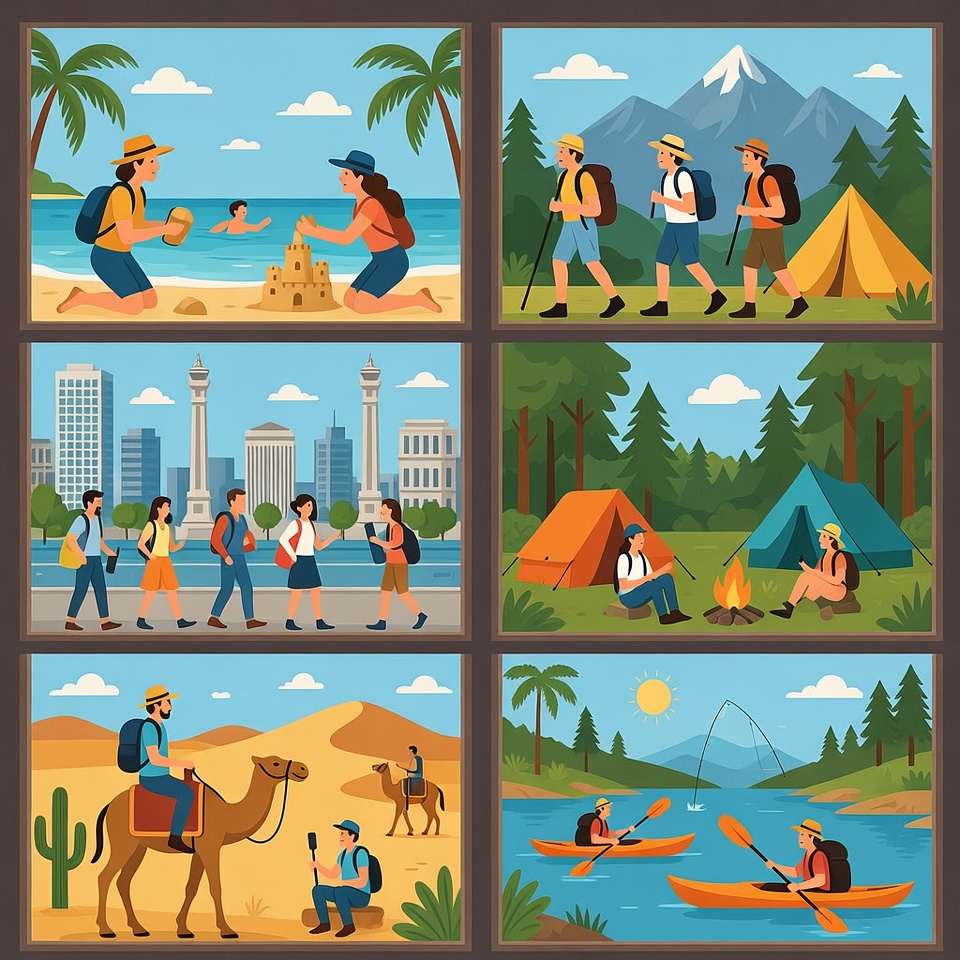
This step alone can cut your planning time in half.
Instead of planning day by day first, group activities by area.
For example:
- Museums in one part of the city
- Parks and cafés in another
- Shopping streets together
Use a map to see what is close. Distance matters more than popularity.
Decide How Many Activities Per Day Is Enough
More is not better when traveling.
A simple rule that works well:
- 1 major activity per day
- 1 or 2 smaller activities around it
Anything more starts to feel rushed.
Remember, walking, transport, meals, and rest all take time. Your energy is limited, even if your excitement is high.
Plan Mornings, Keep Afternoons Flexible
Mornings are when you have the most energy. That is the best time for important activities.
What to schedule in the morning
- Popular attractions
- Museums
- Guided tours
What to leave flexible
- Shopping
- Café hopping
- Casual walks
This approach leaves room for surprises, rest, or spontaneous plans.
Add Food Stops Without Overplanning

Food is one of the best parts of travel, but it does not need a strict schedule.
Instead of picking exact restaurants for every meal:
- Choose food neighborhoods
- Save a few recommended spots
This gives you freedom to eat when you are hungry, not when the itinerary tells you to.
Plan meals only when:
- A restaurant is very popular
- Reservations are required
Build in Rest Time Without Feeling Lazy
Rest is not wasted time. It is what makes the trip enjoyable.
Simple ways to add rest:
- Café breaks between activities
- Sitting in a park
- Going back to your hotel for an hour
You will enjoy your evenings much more when you are not exhausted.
Create a Simple Day-by-Day Outline
Now it is time to bring everything together.
Your daily plan should look simple, not crowded.
Example:
- Morning, main attraction
- Afternoon, light activity or free time
- Evening, food and relaxed walking
Avoid writing detailed schedules. A loose outline is enough.
Use Basic Tools to Save Time
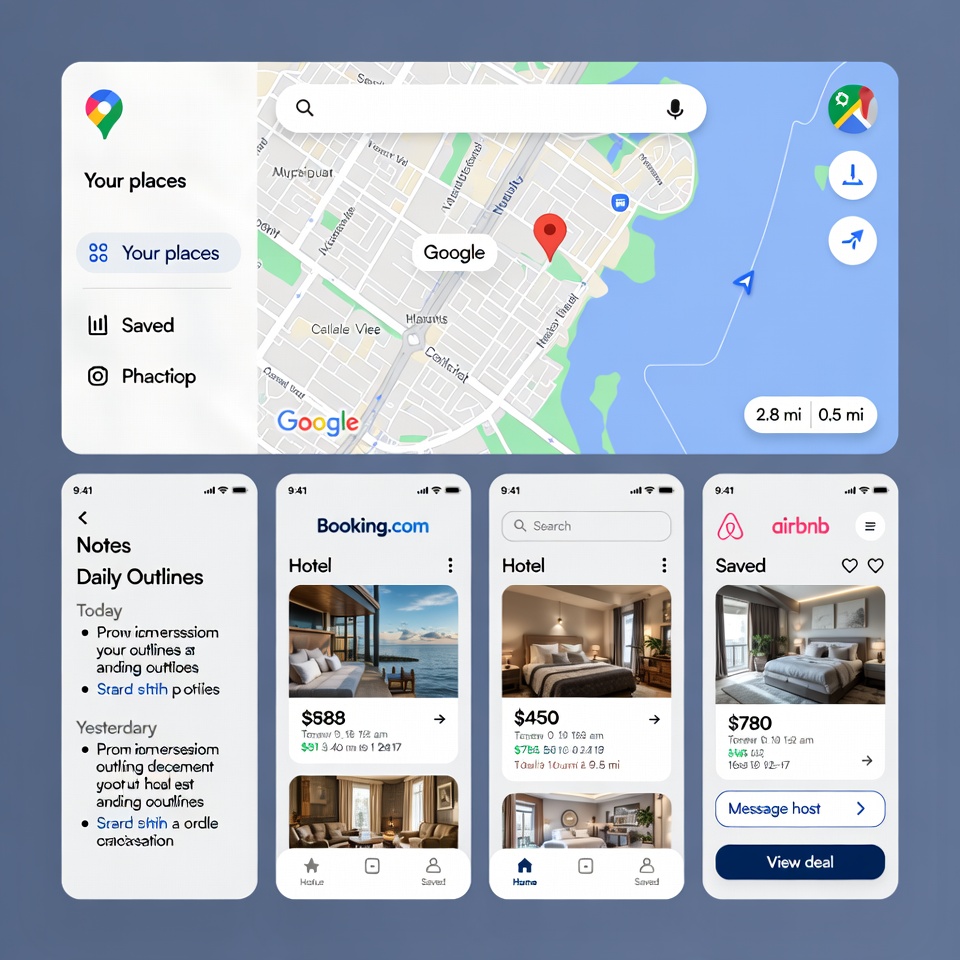
You do not need fancy apps to plan well.
Helpful tools include:
- Google Maps for distance and grouping
- Notes app for daily outlines
- Booking platforms for saved reservations
Keep everything in one place so you are not searching during the trip.
Check Transport and Travel Time Once
You only need to do this one time.
Check:
- How long it takes to move between areas
- Whether walking or public transport is better
This helps you avoid unrealistic plans and last minute stress.
Final 10-Minute Itinerary Review
Before you finish, review your itinerary with fresh eyes.
Ask yourself:
- Does any day feel too full
- Is there time to rest
- Am I excited, or already tired just reading this
If it feels heavy, remove one activity. Less is always better.
Common Itinerary Mistakes to Avoid
Even experienced travelers make these mistakes.
Watch out for:
- Planning every hour
- Ignoring travel fatigue
- Trying to see everything in one trip
- Forgetting buffer time
Your future self will thank you for keeping things simple.
Example of a One-Hour Itinerary Planning Workflow
Here is how the full hour can look:
- 10 minutes, decide trip goal and style
- 15 minutes, research attractions
- 15 minutes, group by location
- 10 minutes, outline daily plans
- 10 minutes, review and simplify
That is it. No stress, no overwhelm.
Final Thoughts, A Perfect Itinerary Is One You Enjoy
A perfect travel itinerary is not the most detailed one. It is the one that leaves you feeling calm, excited, and present.
When you plan with intention and keep things simple, travel becomes more enjoyable and memorable. Trust your instincts, plan lightly, and leave space for the moments you cannot plan at all.