How Much Should You Really Save for a Trip? A Complete Travel Budget Blueprint
Most people ask, how much should I save for this trip, but the better question is what will this trip actually cost me from start to finish, because once you break it down properly, you stop guessing and start planning with confidence.
Step 1, Define Your Trip Type and Travel Style

Before calculating numbers, you need clarity. Not all trips cost the same, even within the same destination.
Are you traveling on a budget, mid range, or luxury style? Your accommodation and dining choices will reflect that.
Consider whether the trip is:
- Solo travel
- A couple’s getaway
- A family vacation
- A group trip with friends
Trip length matters too. A three day city break costs far less than a two week international adventure.
Domestic trips are usually cheaper because you avoid international flights and visa fees.
When you define your travel style clearly, your cost estimates become more realistic.
Step 2, Calculate Transportation Costs
Transportation is often your biggest upfront expense.
Start with round trip flights or long distance transport tickets. Prices vary depending on season and how early you book.
Do not forget baggage fees. Budget airlines often charge extra for checked luggage.
Add airport transfers, whether that is taxis, ride shares, or airport trains.
Also include local transport such as buses, metro tickets, or car rentals.
Transportation costs may include:
- Flight tickets
- Visa fees
- Travel insurance
- Airport transfers
- Local transportation passes
Getting this category right prevents surprises later.
Step 3, Estimate Accommodation Expenses

Accommodation is usually your second largest cost.
Research average nightly rates in your destination. Compare hotels, guesthouses, and short term rentals.
Luxury hotels can multiply your total quickly, while hostels and budget stays reduce overall spending.
Pay attention to hidden fees. Some properties charge cleaning fees, service fees, or local taxes at checkout.
Multiply the nightly rate by the number of nights, then add an extra small buffer for unexpected changes.
Knowing your accommodation total gives you a solid foundation for your savings goal.
Step 4, Plan Your Daily Spending Budget
Daily expenses are where many people underestimate their needs.
Food costs vary widely depending on whether you eat street food, casual restaurants, or fine dining.
Activities and attractions also add up. Museum entries, guided tours, and excursions are rarely free.
Include space for shopping and small treats. Even if you are not a big shopper, souvenirs happen.
Your daily spending may include:
- Breakfast, lunch, and dinner
- Coffee and snacks
- Attraction tickets
- Tours and experiences
- Local transportation
Multiply your estimated daily amount by the number of travel days.
This gives you a realistic idea of how much cash you need during the trip.
Step 5, Don’t Forget Pre Travel Expenses
Pre travel costs often surprise people.
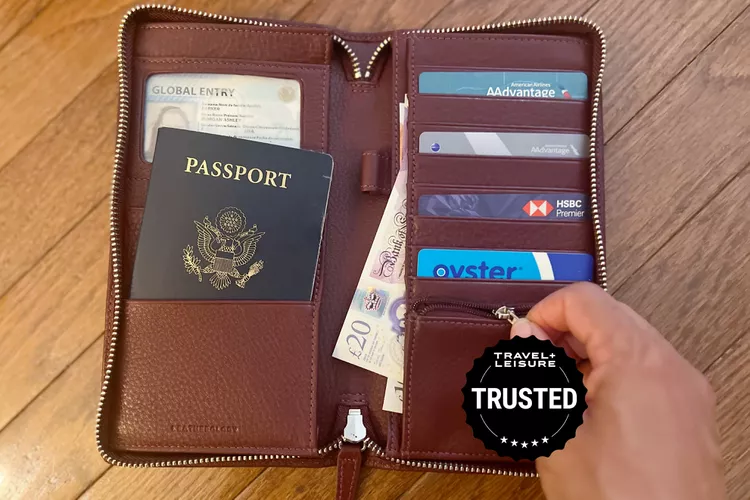
Passport renewals, visa applications, and vaccinations may be required depending on your destination.
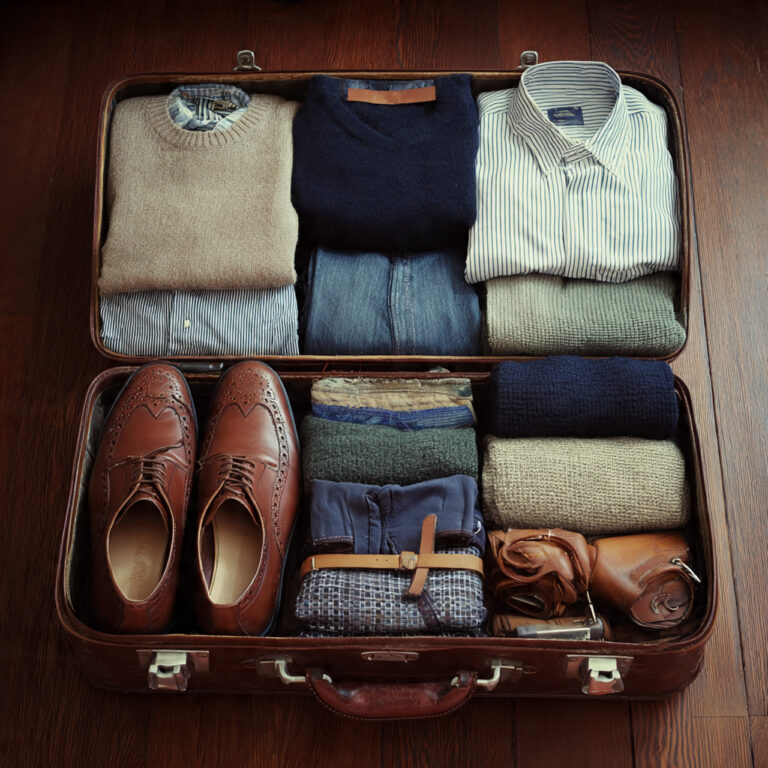
You may also need new travel gear such as luggage, clothing, adapters, or comfortable shoes.
Currency exchange fees and foreign transaction charges should also be considered.
Common pre travel costs include:
- Passport or visa fees
- Travel insurance
- Vaccinations or medical checkups
- Travel gear and clothing
- Currency exchange fees
Adding these early prevents last minute financial pressure.
Step 6, Build an Emergency Buffer Fund
No matter how carefully you plan, unexpected expenses can arise.
Flights may change, luggage can be delayed, or medical issues may occur.
A buffer fund protects you from going into debt or stressing during emergencies.
A common recommendation is to add ten to twenty percent of your total budget as a cushion.
This extra amount covers:
- Emergency medical costs
- Unexpected transportation changes
- Extra accommodation nights
- Lost or damaged items
Having a safety net allows you to travel calmly.
How to Research Realistic Costs for Your Destination

Accurate research makes budgeting easier.
Use travel blogs, forums, and review sites to understand real traveler spending patterns.
Check restaurant menus online to see average food prices.
Look at transportation websites for ticket prices instead of guessing.
Keep in mind that prices change depending on season. Peak tourist periods often mean higher accommodation and flight costs.
Reading recent reviews gives you updated and realistic information.
The more informed you are, the more accurate your savings target becomes.
Sample Travel Budget Breakdown by Trip Type
Let’s look at simple examples to make this practical.
For a three day city trip, you might budget for short flights, two or three hotel nights, daily meals, and local transport.
For a seven day international vacation, costs expand to include visas, insurance, and more activities.
A fourteen day trip increases accommodation and daily expenses significantly.
Here is a simplified example breakdown:
- Transportation, 30 percent
- Accommodation, 30 percent
- Food and activities, 25 percent
- Pre travel costs, 5 percent
- Emergency buffer, 10 percent
Your exact percentages will vary, but this gives you a clear structure.
Seeing the numbers organized helps you determine your true savings goal.
Why Most Travelers Underestimate Their Trip Budget

Many travelers only calculate flights and hotels, then assume everything else will somehow fit into their remaining cash.
In reality, small daily expenses add up quickly. Transport, food, entry tickets, and random purchases quietly stretch your budget.
Another common mistake is ignoring pre travel costs. Things like passport renewals, luggage, or travel insurance can significantly increase your total.
Without a clear savings target, you may either overspend during the trip or feel stressed about money the entire time.
A well planned travel budget gives you freedom, not restriction.
Final Thoughts
So how much should you really save for a trip?
The answer depends on your destination, style, and duration, but once you break it into categories, the number becomes clear and manageable.
Instead of guessing or copying someone else’s budget, build your own blueprint.
When you save intentionally and plan realistically, you enjoy your trip without constantly checking your bank balance.
And honestly, traveling feels much better when you know you can afford every moment of it.