7 Common Travel Scams Tourists Fall For (and How to Beat Them)
Traveling is exciting, but even the savviest tourists can fall victim to scams. I learned this the hard way, and now I always plan ahead. Knowing common scams and how to avoid them lets you enjoy your trip without stress or losing money unnecessarily.
Street Vendor and Overpriced Souvenir Scams

Street vendors are part of the charm in many destinations, but some take advantage of tourists. They may sell overpriced souvenirs or push items with exaggerated claims.
To avoid getting tricked:
- Research average prices before shopping
- Avoid impulse purchases
- Compare prices across multiple vendors
- Learn a few local phrases to negotiate politely
- Walk away if the deal feels too aggressive
Always carry small denominations of cash. Large bills can make you a target for overcharging or scams. When you stay calm and informed, shopping can be fun instead of stressful.
Taxi and Ride Share Scams
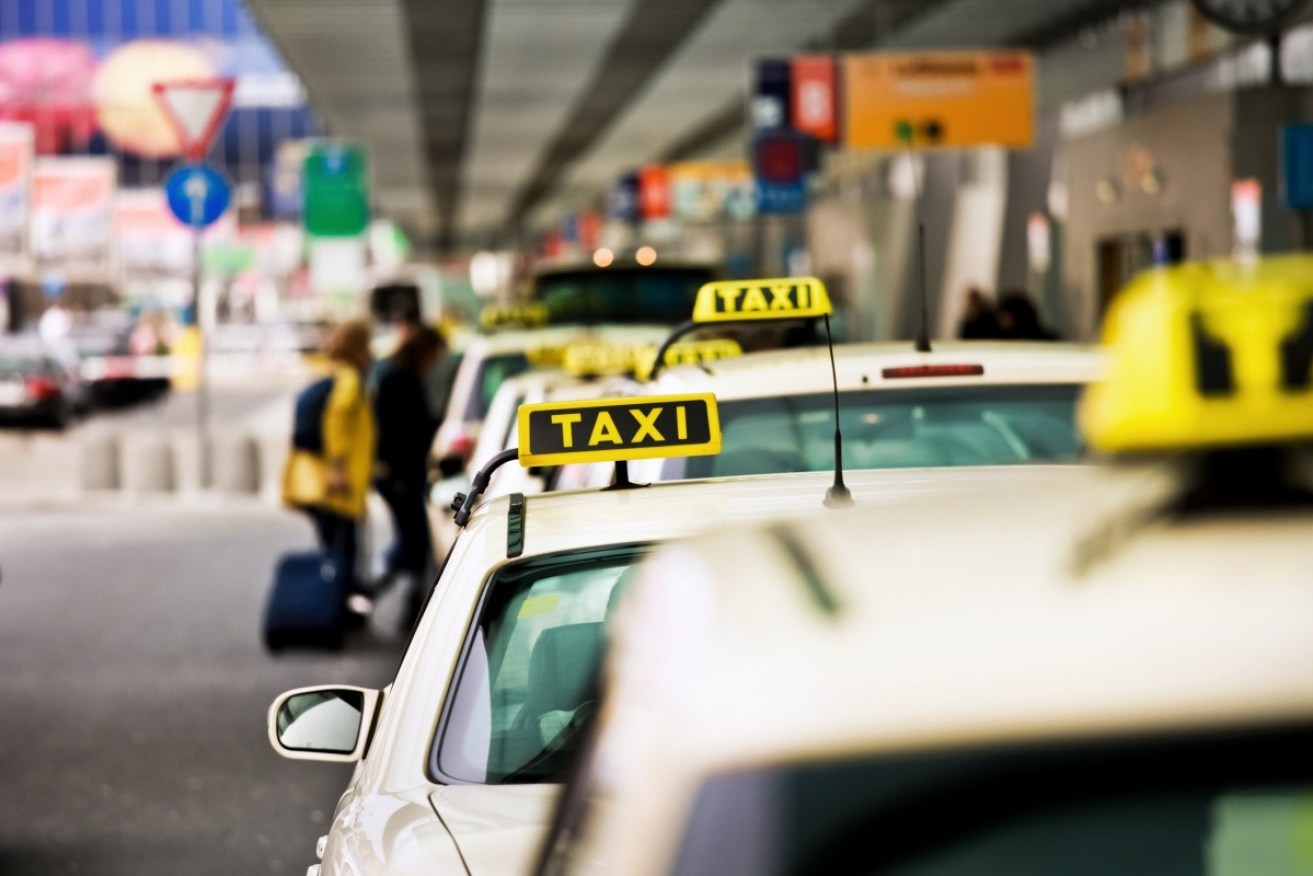
Getting around is usually simple, but taxis and ride shares are frequent targets for tourist scams. Drivers may refuse meters, take longer routes, or charge inflated fares.
Here’s how to stay safe:
- Confirm the meter is on or agree on a fixed price before starting
- Use official taxi services or licensed apps
- Check the vehicle and driver identification
- Avoid accepting unsolicited rides from strangers
- Keep a map or GPS handy to track the route
I once had a driver try to take me on a 30-minute detour. Being aware and following the route saved me both time and money.
Accommodation and Booking Frauds

Fake listings and hidden fees can ruin your travel experience before it even starts. Some websites may show properties that do not exist, while others add last minute charges.
Avoid these scams by:
- Booking through reputable platforms with verified reviews
- Contacting the host or property directly before arrival
- Checking for extra fees like cleaning or service charges
- Saving confirmation emails and screenshots of payment
- Reading recent traveler feedback
Even legitimate platforms may have risky listings, so cross checking is crucial. I always confirm the property via multiple sources before heading out.
Pickpocketing and Distraction Scams
Crowded streets, tourist attractions, and public transportation can attract pickpockets. Distraction techniques are common, like someone bumping into you or asking for help while an accomplice steals your belongings.
Stay protected with these tips:
- Keep valuables in front pockets or inside zipped bags
- Avoid carrying unnecessary items
- Use anti theft backpacks or money belts
- Be cautious in crowded areas, markets, and transit
- Travel with a friend when possible
I have seen friends lose wallets to someone pretending to help them. A little awareness goes a long way in avoiding these scams.
Fake Tour Guides and Excursion Scams

Some tourists are approached by guides offering “exclusive” tours or experiences at inflated prices. Others may promise VIP access to attractions that does not exist.
Avoid these scams by:
- Booking tours through official agencies or verified websites
- Checking reviews and credentials before payment
- Avoiding last minute street offers
- Asking for references or proof of license
- Comparing prices with multiple operators
I once almost paid for a tour that included a “private museum access” which was not real. Confirming with the official venue saved me hundreds.
Currency Exchange and ATM Scams

Handling money abroad can be risky. Some exchange booths give poor rates, charge hidden fees, or are outright fake. ATMs can be tampered with to steal card information.
Stay safe with these practices:
- Use ATMs inside banks or trusted locations
- Avoid exchanging large sums at airports or street booths
- Check for skimmers before inserting your card
- Always know the current exchange rate
- Keep emergency cash separate
I once noticed a slightly altered ATM slot and reported it before it could compromise my card. Awareness of surroundings is key.
Online Travel Scams and Phishing
Not all scams happen in person. Many occur online through fake booking websites, phishing emails, or too good to be true deals.
Protect yourself by:
- Checking the URL and legitimacy of websites
- Avoiding deals that seem unrealistically cheap
- Using credit cards instead of wire transfers
- Confirming bookings via multiple platforms
- Ignoring suspicious emails and messages
Even experienced travelers can be tempted by flashy “last minute deals.” I always double check any website and cross verify prices before paying.
How to Protect Yourself From Travel Scams
Avoiding scams requires awareness, preparation, and caution. Some general tips work across all scenarios:
- Research your destination and common scams beforehand
- Keep copies of important documents and emergency contacts
- Stay alert in crowded places and tourist spots
- Trust your instincts when a deal feels off
- Ask locals or hotel staff for safe alternatives
By building these habits, you reduce the risk of being targeted and can enjoy your trip more confidently.
Final Thoughts
Scams are part of traveling, but they should not stop you from exploring. Awareness, preparation, and practical safety habits let you enjoy new destinations without stress.
Travel smart, trust your instincts, and always double check opportunities before committing money. The goal is to experience your trip fully while keeping your belongings and budget safe.