How Much Does It Cost to Travel to Nigeria for 30 Days as an American
Traveling to Nigeria for a full month can be exciting, eye opening, and surprisingly affordable if you plan well. Nigeria is vibrant, loud, warm, and full of life, but it also comes with realities that first time visitors, especially Americans, need to understand before booking that flight.
I’ll walk you through the real costs based on practical experience and what travelers usually spend, not fantasy numbers. By the end, you’ll have a clear picture of what a 30 day stay in Nigeria can cost you.
Total Estimated Cost Breakdown at a Glance
Before we go deep, let’s zoom out and look at realistic monthly ranges. These are averages, your actual spending can be lower or higher depending on lifestyle.
- Budget traveler: $2,000 to $2,800
- Comfortable traveler: $3,000 to $4,500
- Very comfortable traveler: $5,000 and above
This includes flights, accommodation, food, transport, and daily living expenses for 30 days.
Now let’s break everything down properly.
Flights from the U.S. to Nigeria
Your flight will likely be your biggest single expense.
Average Round-Trip Airfare
Most Americans fly into Lagos (LOS) or Abuja (ABV). From major U.S. cities like New York, Atlanta, Houston, or Washington DC, round-trip flights usually cost:
- $900 to $1,200 if booked early
- $1,300 to $1,700 during peak travel seasons
Peak seasons include December, summer months, and major holidays.
How to Save on Flights
- Book 6 to 10 weeks in advance
- Be flexible with travel dates
- Consider flying midweek
- Avoid last-minute bookings, prices jump fast
Once your flight is paid for, the rest of Nigeria can actually be quite affordable.
Visa Fees and Entry Requirements for Americans
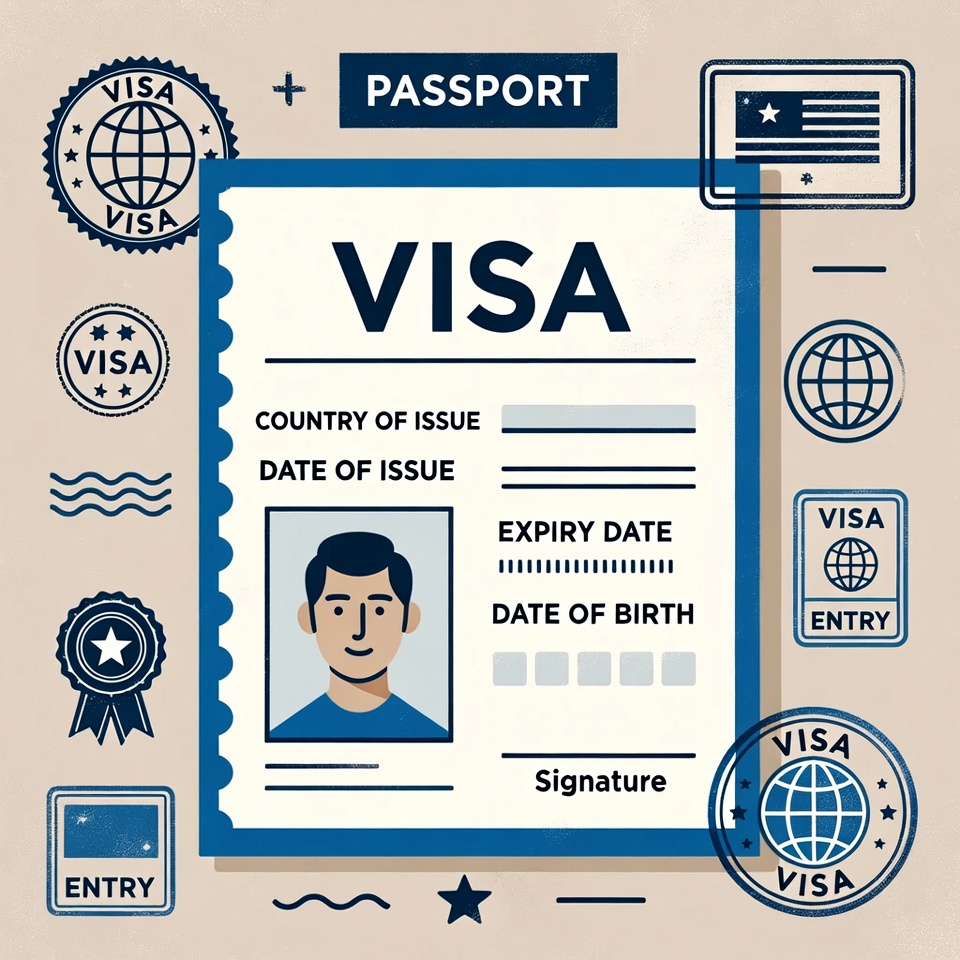
Americans need a visa to enter Nigeria, and this is non-negotiable.
Tourist Visa Cost
- Visa fee: $160
- Processing and service fees: $50 to $100
- Total average: $210 to $260
You’ll also need:
- A valid passport with at least six months validity
- Proof of accommodation or invitation letter
- Return flight ticket
Processing Time
Visa processing can take:
- 7 to 14 working days
- Faster if you apply early and submit complete documents
Budget a little extra in case you need document reprints or courier services.
Travel Insurance and Health Costs
This is one area you should not skip.
Travel Insurance
A good travel insurance plan for 30 days usually costs:
- $60 to $120
Make sure it covers:
- Medical emergencies
- Hospital visits
- Emergency evacuation
Vaccinations and Health Prep
Some travelers may need:
- Yellow fever vaccination
- Malaria medication
Costs vary, but budget:
- $50 to $150 depending on what you already have
Nigeria’s healthcare system works best when you use private hospitals, which is why insurance is important.
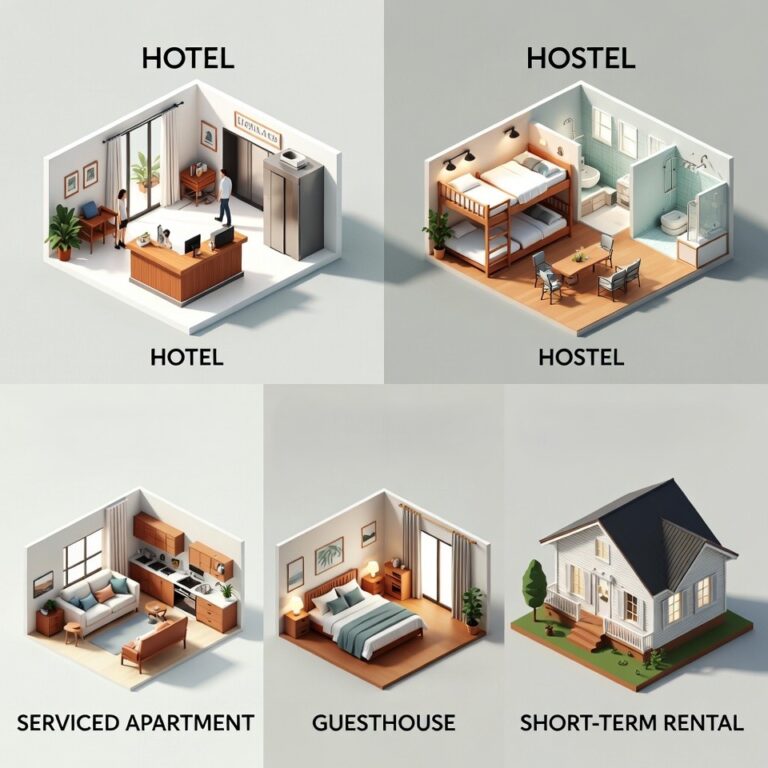
Accommodation Costs for 30 Days

Accommodation can either drain your budget or save you a lot, depending on your choice.
Hotels
- Budget hotels: $25 to $40 per night
- Mid-range hotels: $50 to $90 per night
For 30 days:
- $900 to $2,700
Hotels are convenient but expensive for long stays.
Short-Term Apartments and Airbnbs
This is where most smart travelers land.
- Studio or one-bedroom apartment: $700 to $1,500 per month
- Furnished, with security and power backup
Apartments are cheaper, more comfortable, and give you space to breathe.
Staying with Family or Friends
If this option is available:
- Accommodation cost: $0
- You may contribute to utilities or food
This can cut your total travel cost almost in half.
Daily Food and Eating Expenses
Food in Nigeria is one of the highlights, flavorful, filling, and affordable.
Local Meals
Eating local Nigerian food is very affordable.
- Street food or local restaurants: $2 to $5 per meal
- Daily average: $8 to $12
Restaurants and Western Food
If you eat out often:
- Restaurants: $10 to $20 per meal
- Western fast food costs more than local dishes
Monthly Food Budget
- Eating mostly local food: $250 to $350
- Mixed diet with restaurants: $400 to $600
If you cook at home sometimes, you’ll save even more.
Transportation Within Nigeria

Transportation costs depend heavily on your city.
Ride-Hailing Apps
Uber and Bolt are widely used in cities like Lagos and Abuja.
- Short rides: $2 to $5
- Longer trips: $6 to $15
Monthly average:
- $150 to $250
Public Transportation
Public buses and shared taxis are very cheap but not always comfortable for first-time visitors.
- Bus fares: less than $1 per ride
Most Americans prefer ride-hailing for safety and convenience.
Domestic Flights
If you plan to visit other cities:
- One-way domestic flight: $50 to $120
Internet, SIM Card, and Communication Costs
Staying connected is easy and affordable.
SIM Card and Data
- SIM card: $2 to $5
- Monthly data plans: $15 to $30
Mobile internet is reliable in major cities, though power outages can affect Wi-Fi.
Wi-Fi at Home
Most apartments include Wi-Fi, but some charge extra:
- $20 to $40 monthly
Entertainment, Activities, and Tours
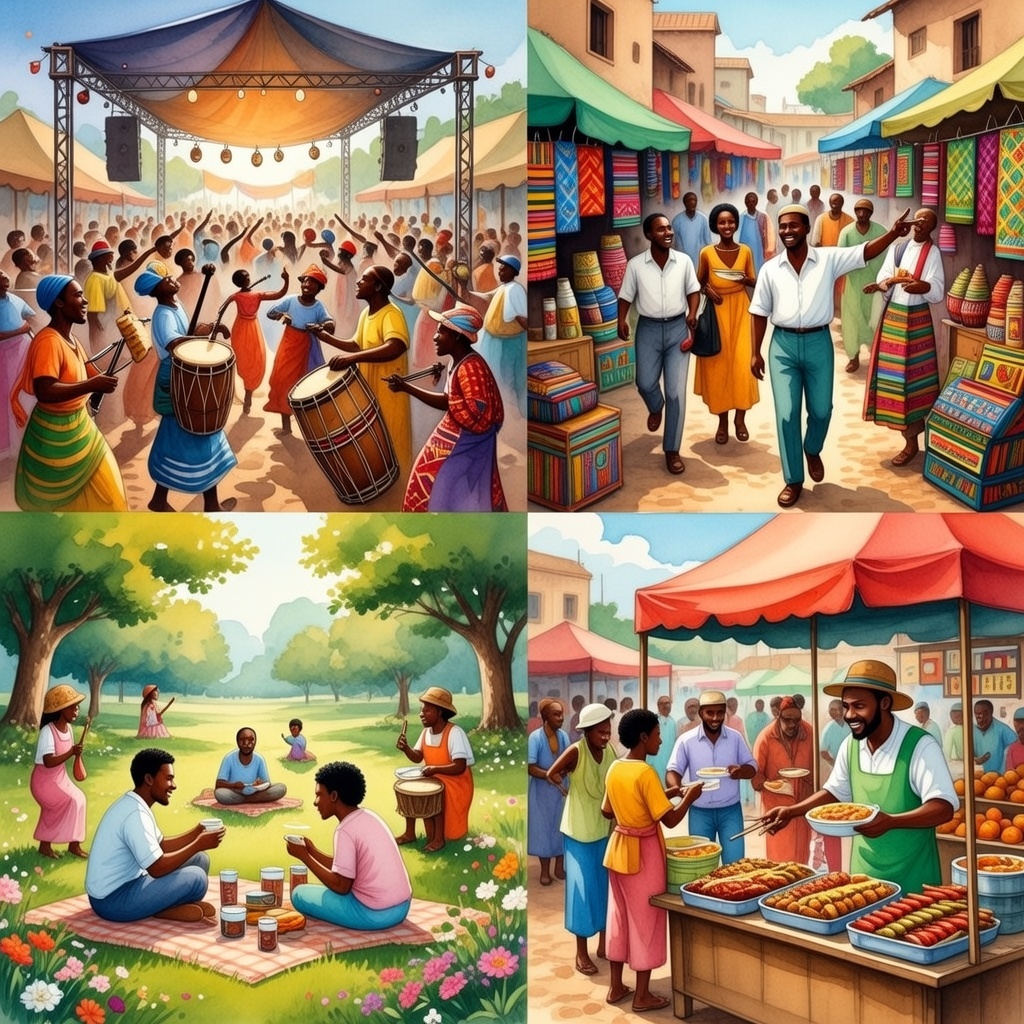
Nigeria isn’t boring, there’s always something happening.
Casual Entertainment
- Movies: $3 to $6
- Cafes and lounges: $5 to $15 per visit
Nightlife
- Entry fees: $5 to $10
- Drinks: $3 to $7
Tours and Experiences
- City tours: $30 to $80
- Cultural events and festivals vary in price
Monthly entertainment budget:
- $150 to $400 depending on lifestyle
Safety, Security, and Convenience Expenses
This is where many travelers spend without realizing it.
Private Transport and Convenience
Some travelers prefer:
- Private drivers for peace of mind
- Gated accommodations
This can add:
- $100 to $300 monthly
Security Awareness
Nigeria is generally safe when you stay alert and avoid risky areas. Paying for comfort often means paying for safety too.
Money Exchange, Cash Handling, and Banking Fees
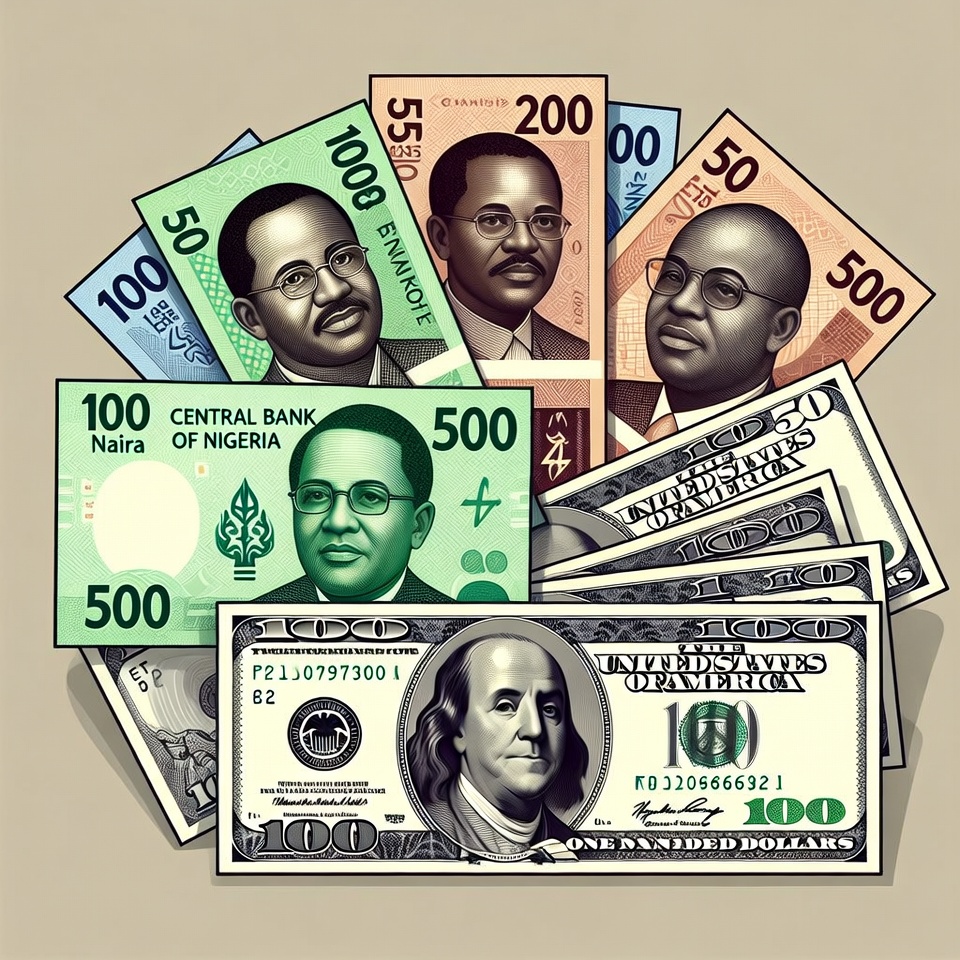
Understanding money in Nigeria will save you stress.
Cash vs Cards
- Cash is king for daily spending
- Cards work in hotels, malls, and big restaurants
Exchange Rates
- Exchange rates are usually better locally than at U.S. banks
- Avoid airport exchanges when possible
ATM and Bank Fees
- ATM fees: $3 to $7 per withdrawal
- Some cards charge foreign transaction fees
Monthly banking costs:
- $20 to $50
Unexpected and Hidden Costs to Budget For
This is important and often ignored.
Power and Utilities
- Power outages happen
- You may spend on fuel or extra electricity
Service Charges
- Tips, small service fees, unexpected payments
Emergency Buffer
Always keep:
- $200 to $300 aside for emergencies
Nigeria rewards flexibility, having backup money keeps your trip stress-free.
Realistic Daily Budget Examples
Let’s make this practical.
Budget Traveler
- Daily spending: $60 to $80
- Monthly total: $2,000 to $2,800
Comfortable Traveler
- Daily spending: $90 to $120
- Monthly total: $3,000 to $4,500
These include eating out, transport, and basic fun.
Is Nigeria Affordable for a 30 Day Stay
Yes, Nigeria can be very affordable for Americans, especially when compared to Europe or the U.S. The biggest costs are upfront, flight and visa. Once those are settled, daily life is relatively cheap.
If you:
- Stay in an apartment
- Eat local food
- Use ride-hailing apps wisely
You can live comfortably without overspending.
Final Thoughts
Spending 30 days in Nigeria as an American is less about luxury and more about experience. You’re paying for culture, connection, energy, and stories you won’t forget.
With a realistic budget and an open mind, Nigeria can be one of the most rewarding long stays you’ll ever have. Plan smart, spend intentionally, and you’ll enjoy every day without constantly worrying about money.