Cultural Etiquette Tips for Visiting Japan and Navigating Local Customs with Respect
Traveling to Japan is exciting, but it also comes with a responsibility to respect local customs. I learned quickly that small actions, like how you speak or behave in public, matter a lot. Understanding etiquette not only helps you avoid awkward situations, it also makes your experience smoother, more enjoyable, and more meaningful.
Greetings and Bowing Etiquette in Japan
:max_bytes(150000):strip_icc():format(webp)/men-bowing-in-japan-a49a96e99f0f4f64a524c7f449ca77cc.jpg)
Greetings in Japan are rooted in respect and subtle communication. Unlike many countries, bowing is more common than handshakes, especially in formal situations.
When I first visited, I was unsure how deep to bow, but I quickly realized that even a slight bow shows politeness.
How to Greet Properly
Keep these simple tips in mind
- A small nod works fine for casual greetings
- A deeper bow shows more respect in formal settings
- Handshakes are acceptable but less common
- Avoid overly physical gestures like hugging
- Maintain a calm and polite tone when speaking
The effort matters more than perfection.
Dining Etiquette: How to Eat Like a Local
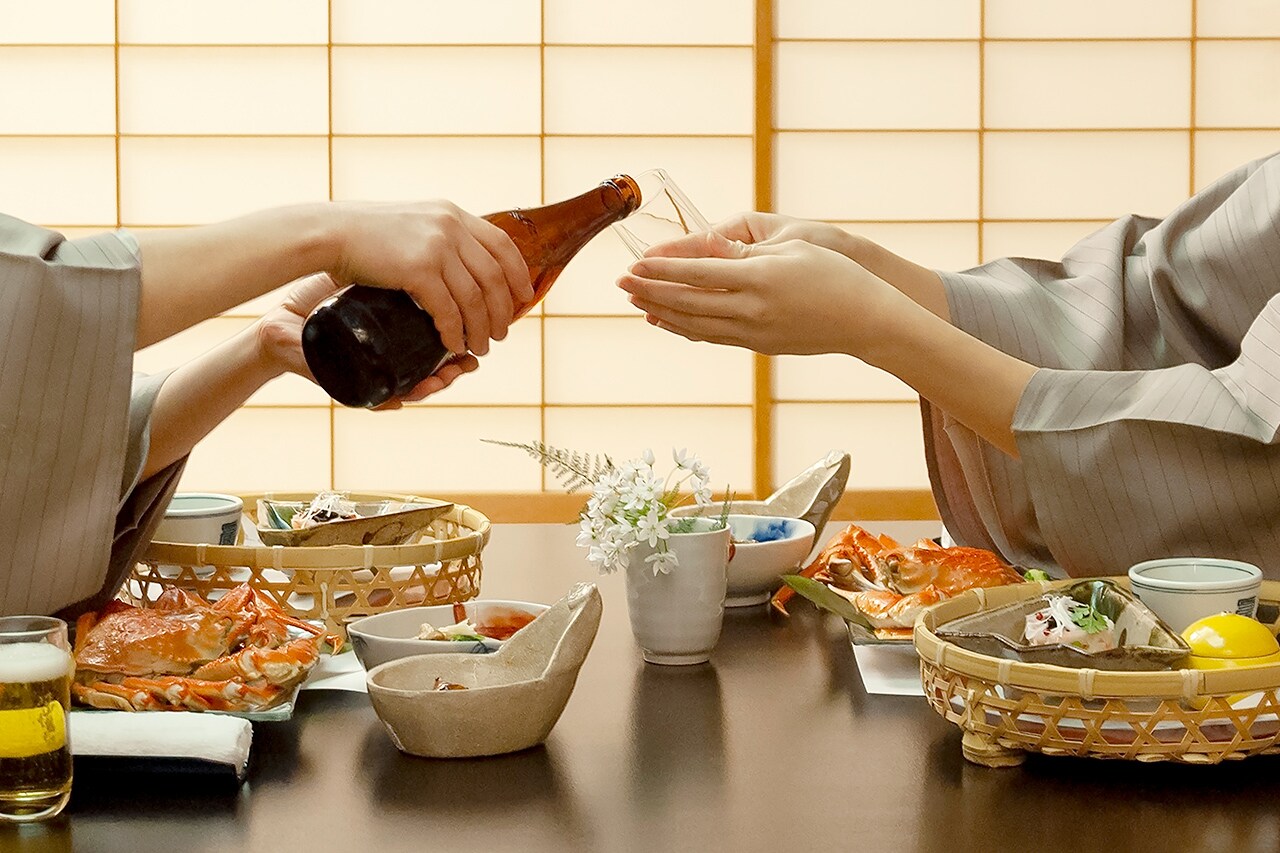
Dining in Japan comes with its own set of rules, and understanding them makes a big difference. Meals are not just about food, they reflect appreciation and respect.
I remember feeling nervous during my first traditional meal, but once I understood the basics, it became one of my favorite experiences.
Important Dining Rules
Follow these guidelines when eating
- Say “itadakimasu” before eating
- Say “gochisousama” after finishing your meal
- Never stick chopsticks upright in rice
- Avoid passing food from chopstick to chopstick
- Use the opposite end of chopsticks when sharing food
Respecting these customs shows awareness.
Public Behavior and Manners
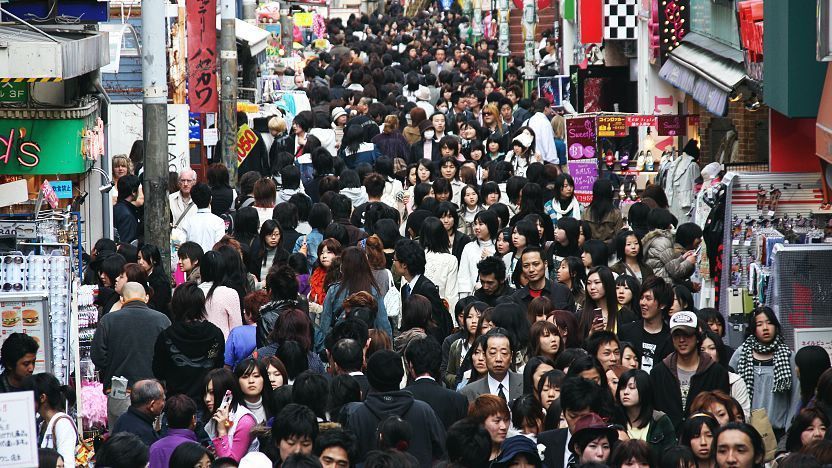
Public behavior in Japan is calm and considerate. People are mindful of others, especially in crowded spaces like trains and streets.
One thing that stood out to me was how quiet public areas were, even when they were full.
Key Public Etiquette Tips
To blend in more easily
- Keep your voice low in public
- Avoid talking loudly on your phone
- Stand to the side when checking directions
- Respect personal space
- Dispose of trash properly or carry it with you
Small actions make a strong impression.
Shoes Off: Understanding Indoor Etiquette

Removing shoes is a major part of Japanese culture. It is seen as a way to keep indoor spaces clean and respectful.
I almost forgot to remove my shoes once, and quickly realized how important this custom is.
When to Remove Your Shoes
Always take off your shoes in these situations
- Entering someone’s home
- Visiting traditional inns or ryokan
- Entering certain restaurants
- Walking on tatami mats
- Using indoor changing areas
Look for signs or follow what others are doing.
Using Public Transportation Respectfully
Public transportation in Japan is efficient and quiet. It runs on time, and passengers are expected to follow certain behaviors.
Even during rush hours, the system feels organized and respectful.
Train and Subway Etiquette
Keep these tips in mind
- Queue in an orderly line before boarding
- Let passengers exit before entering
- Avoid eating on local trains
- Set your phone to silent mode
- Offer priority seats to elderly passengers
Following these rules keeps things smooth.
Temple and Shrine Etiquette
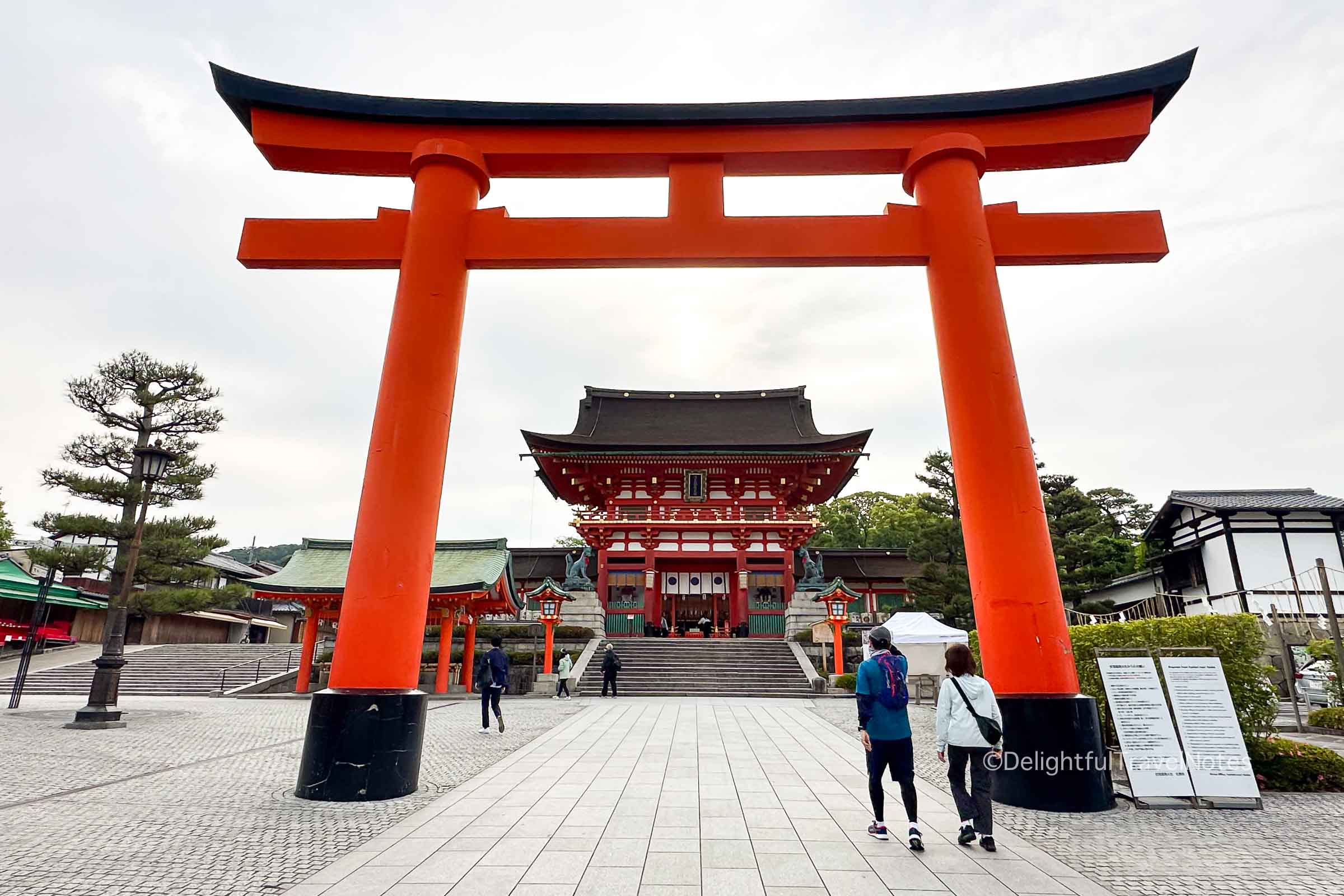
Temples and shrines are sacred places, and visiting them requires respectful behavior. These are not just tourist attractions, they hold deep cultural and spiritual meaning.
My visits felt more meaningful once I understood how to behave properly.
How to Act at Sacred Sites
Show respect by
- Bowing before entering
- Using water stations for cleansing rituals
- Walking calmly and quietly
- Avoiding flash photography where restricted
- Following posted rules and signs
Take your time and observe others.
Gift Giving Culture in Japan
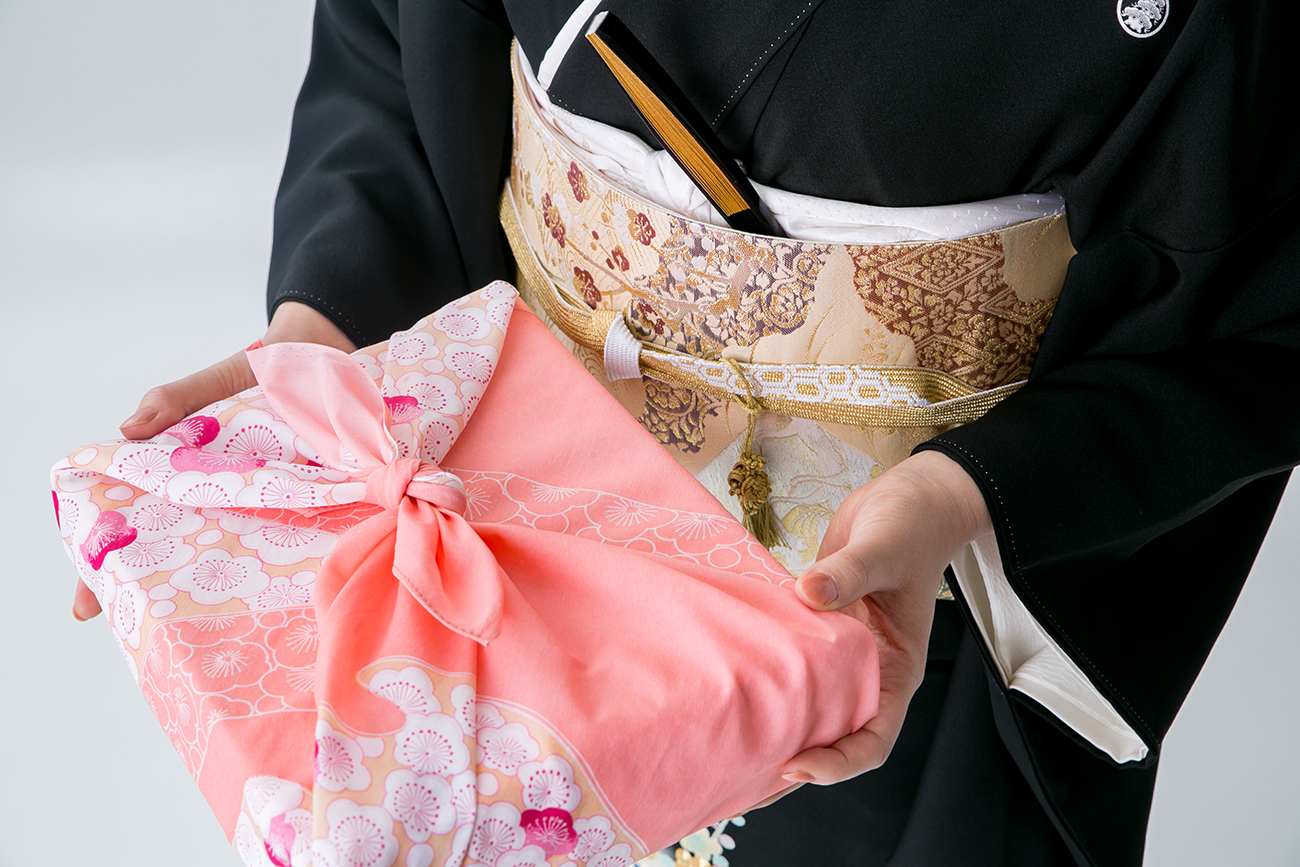
Gift giving is an important part of Japanese culture. It is about thoughtfulness rather than the value of the gift.
Even small gestures are appreciated when done with care.
Tips for Giving Gifts
Keep these points in mind
- Wrap gifts neatly and present them respectfully
- Offer gifts with both hands
- Avoid overly expensive items
- Do not expect gifts to be opened immediately
- Choose items that reflect your home country
Presentation matters just as much as the gift itself.
Handling Money and Payments
Handling money in Japan is slightly different from many other countries. Transactions are done with care and respect.
I noticed quickly that there is a specific way payments are handled in stores.
Payment Etiquette Tips
When paying, remember
- Place money in the tray instead of handing it directly
- Accept change politely with both hands
- Carry cash, as not all places accept cards
- Avoid tipping, as it is not expected
- Keep your wallet organized for quick payments
These habits make transactions smoother.
Final Thoughts
Traveling in Japan becomes far more rewarding when you understand and respect its customs. From bowing to dining etiquette, each small action reflects awareness and appreciation. I found that people responded more warmly when I made an effort to follow local norms. You do not need to be perfect, just mindful. When you approach the culture with respect and curiosity, your experience becomes deeper, richer, and truly unforgettable.