How to Choose the Right Accommodation When Traveling Outside Your Country
Choosing where to stay abroad can quietly shape your entire trip, from how rested you feel to how easily you move around each day.
The right accommodation saves money, reduces stress, and makes travel smoother, while the wrong one can drain your energy fast.
Let’s break this down in a simple, practical way, like advice from a friend who has learned through experience.
Start With Your Travel Goal, Not the Price
Before you open any booking app, pause and ask yourself one question, why are you traveling?
Your accommodation choice should support your main goal, not fight against it. Many people make the mistake of starting with price alone, then regret it later.
Think about what matters most on this trip.
If you are traveling to relax, comfort and quiet matter more than saving a few dollars. If you are exploring a city all day, you mainly need a clean place to sleep and recharge.
If you are working remotely, stable internet and a desk suddenly become non negotiable.
Ask yourself:
- Is this trip for rest, work, adventure, or culture?
- Will I spend a lot of time in my room or mostly outside?
- Do I value privacy or social interaction more?
When your goal is clear, choosing accommodation becomes much easier. You stop chasing random deals and start making smarter decisions.
Understanding Accommodation Types Abroad
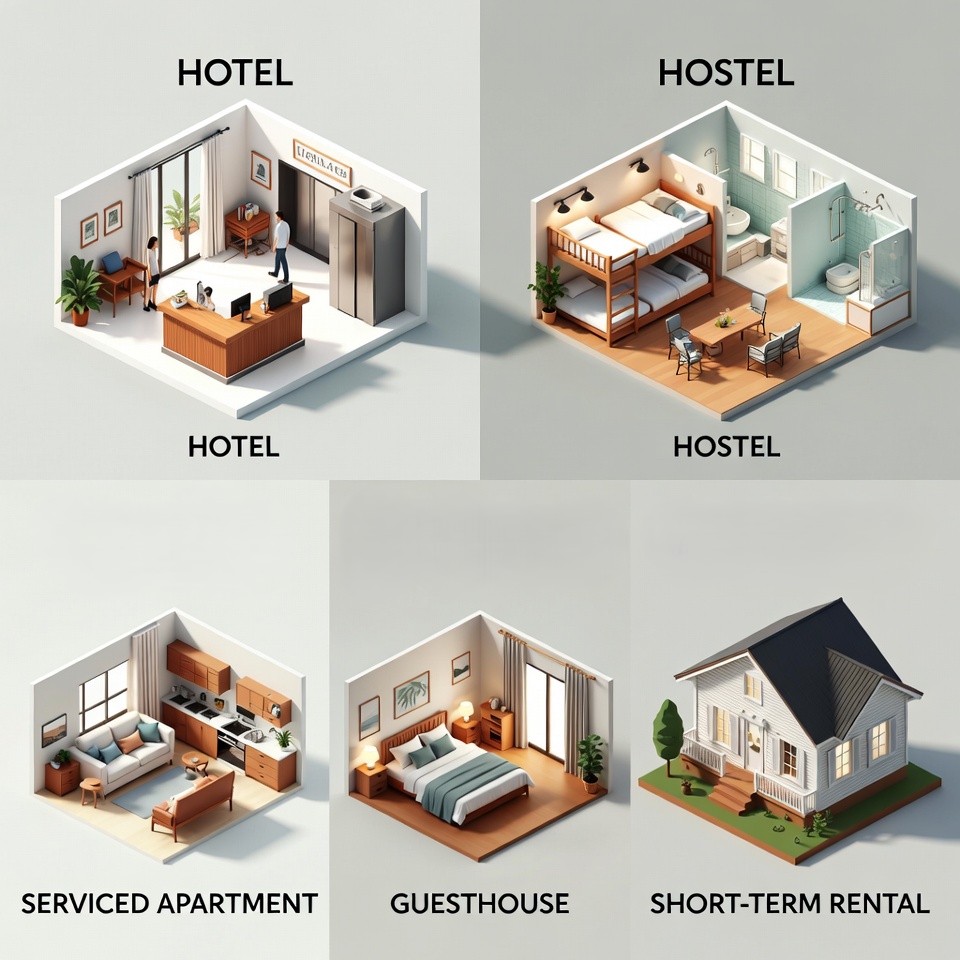
Accommodation abroad often looks similar to home, but the experience can be very different. Knowing what each option truly offers helps avoid disappointment.
Hotels
Hotels are familiar and predictable. You usually get daily cleaning, front desk support, and consistent standards.
Best for:
- Short stays
- First time international travelers
- Travelers who value convenience and comfort
Downside:
- Can be expensive for long stays
- Less personal, sometimes feels isolated
Hostels
Hostels are not just for students anymore. Many now offer private rooms alongside shared dorms.
Best for:
- Budget travelers
- Solo travelers who want to meet people
- Short city stays
Downside:
- Noise
- Shared bathrooms in many cases
Guesthouses and Small Inns
These are often family run and offer a more local feel.
Best for:
- Cultural experiences
- Slower travel
- Smaller towns and rural areas
Downside:
- Fewer amenities
- Limited English sometimes
Serviced Apartments
These combine hotel comfort with apartment living.
Best for:
- Long stays
- Families
- Digital nomads
Downside:
- Cleaning may not be daily
- Can feel less social
Homestays
You live with a local host, sometimes sharing common spaces.
Best for:
- Cultural immersion
- Language practice
- Long stays on a budget
Downside:
- Less privacy
- House rules may feel restrictive
Choose the type that fits your travel style, not what looks best in photos.
Choosing the Right Location Within the City
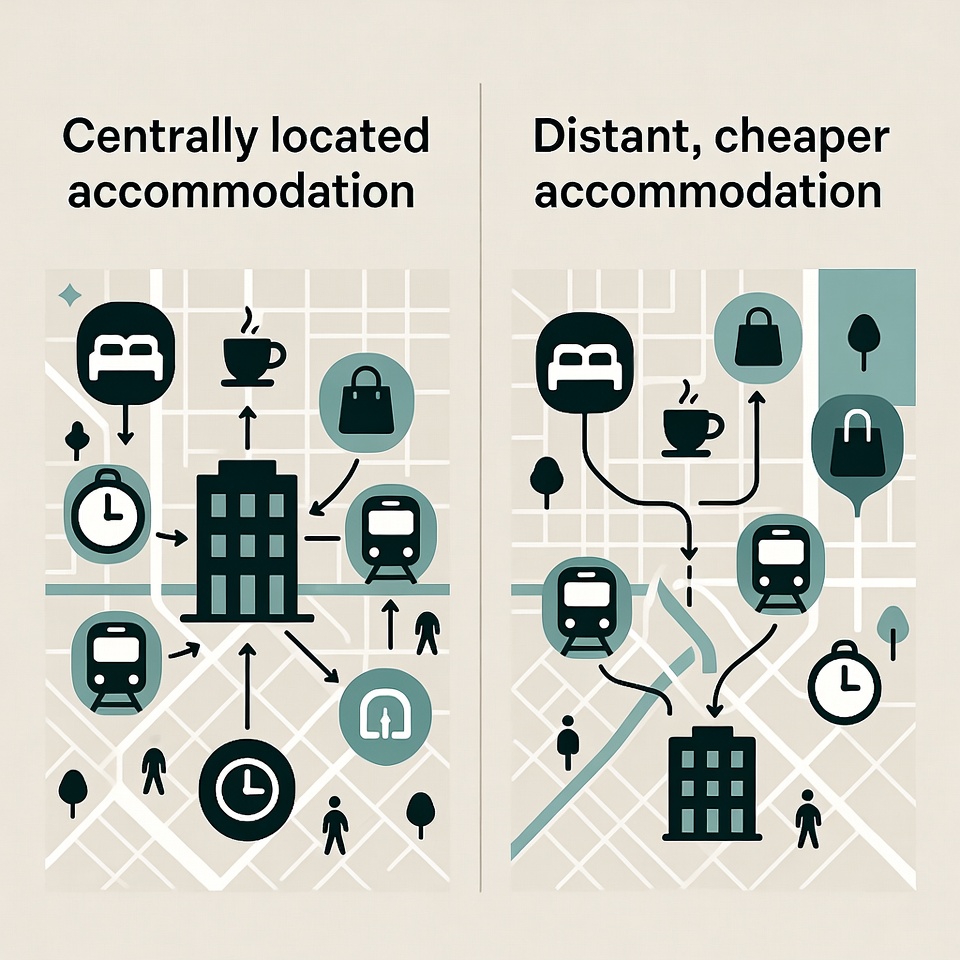
Location matters more than many travelers realize. A cheap room far from everything often costs more in time, transport, and frustration.
When choosing a location, think practical.
Things to consider:
- Distance to public transportation
- Safety of the neighborhood
- Proximity to attractions you care about
- Access to food, shops, and pharmacies
Staying in the city center is convenient but usually more expensive. Staying slightly outside can save money if transport is reliable.
A good balance is often neighborhoods just outside tourist centers. They are usually cheaper, quieter, and more authentic.
Before booking:
- Check Google Maps walking distances
- Look at street view if available
- Read reviews that mention the area, not just the room
A good location makes even a simple accommodation feel better.
Setting a Realistic Accommodation Budget
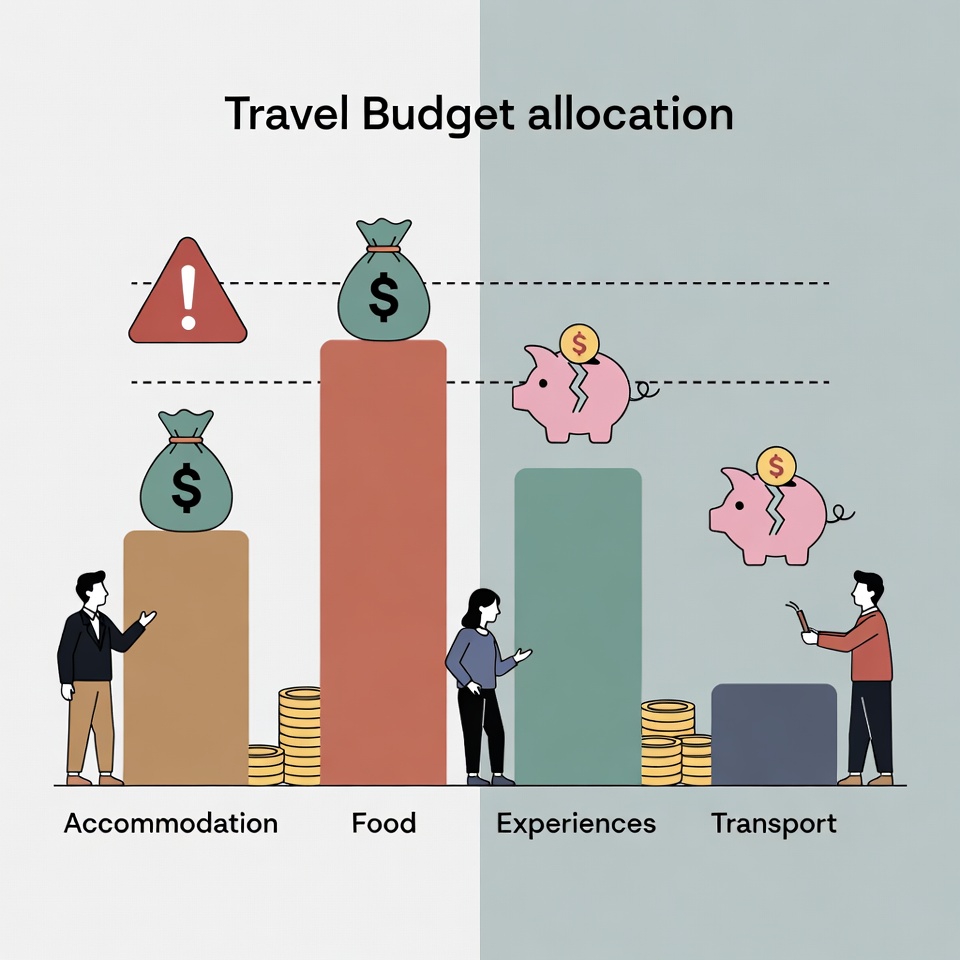
Your accommodation budget should support your trip, not dominate it.
A common mistake is spending too much on accommodation and then cutting back on food, experiences, or transport.
A simple rule that works for many travelers is this:
- Accommodation should take about 25 to 35 percent of your total travel budget
This is not a strict rule, but it helps keep things balanced.
Think beyond the nightly price.
Ask:
- Does the price include taxes?
- Are there cleaning or service fees?
- Will I need to spend extra on transport because of the location?
Sometimes a slightly more expensive place saves money overall.
Also think in terms of value, not just cost. A quiet room with good sleep, hot water, and reliable internet is often worth paying a little extra for.
Reading Reviews the Smart Way
Reviews are powerful, but only if you read them the right way.
Do not focus on the star rating alone. A 4.2 rating with honest reviews can be better than a 4.8 filled with vague praise.
How to read reviews properly:
- Read the most recent reviews first
- Look for repeated complaints or praise
- Focus on comments about cleanliness, noise, and location
- Ignore one time emotional rants unless the issue repeats
Pay attention to how hosts respond to negative reviews. Calm and helpful responses usually signal professionalism.
Also check who the reviews are from. Travelers with similar needs to yours are more relevant than luxury travelers if you are on a budget.
Reviews tell stories, learn to read between the lines.
Short Stay vs Long Stay Accommodation Choices
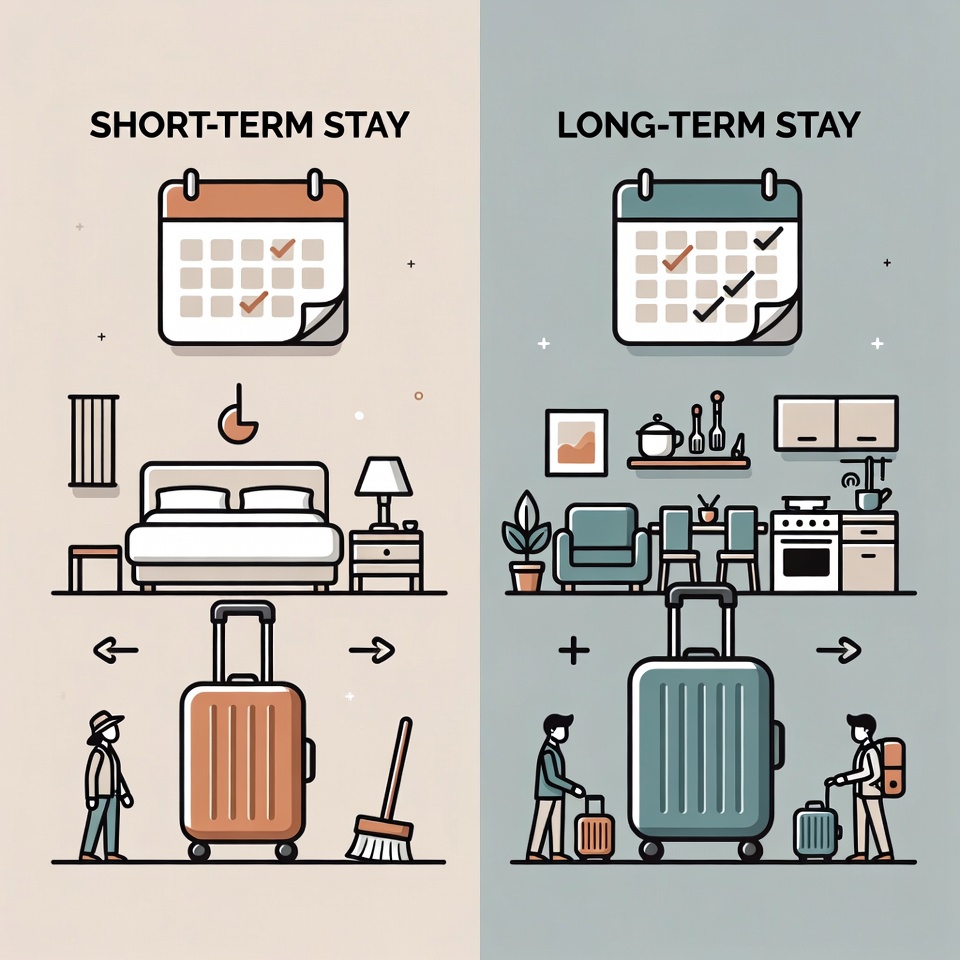
The length of your stay changes everything.
For short stays
Convenience matters most.
You want:
- Easy check in
- Central location
- Minimal rules
- Reliable comfort
Hotels, hostels, or serviced apartments work best here.
For long stays
Comfort and practicality become more important.
You want:
- Space
- Kitchen access
- Laundry options
- Stable internet
- Fair weekly or monthly pricing
Apartments, serviced apartments, and guesthouses usually offer better value for long stays.
Many platforms offer discounts for stays longer than a week or a month. Always check this before booking multiple short stays.
Living somewhere for weeks means you are not just visiting, you are settling in. Choose accordingly.
Booking Platforms, Which Ones Work Best Internationally
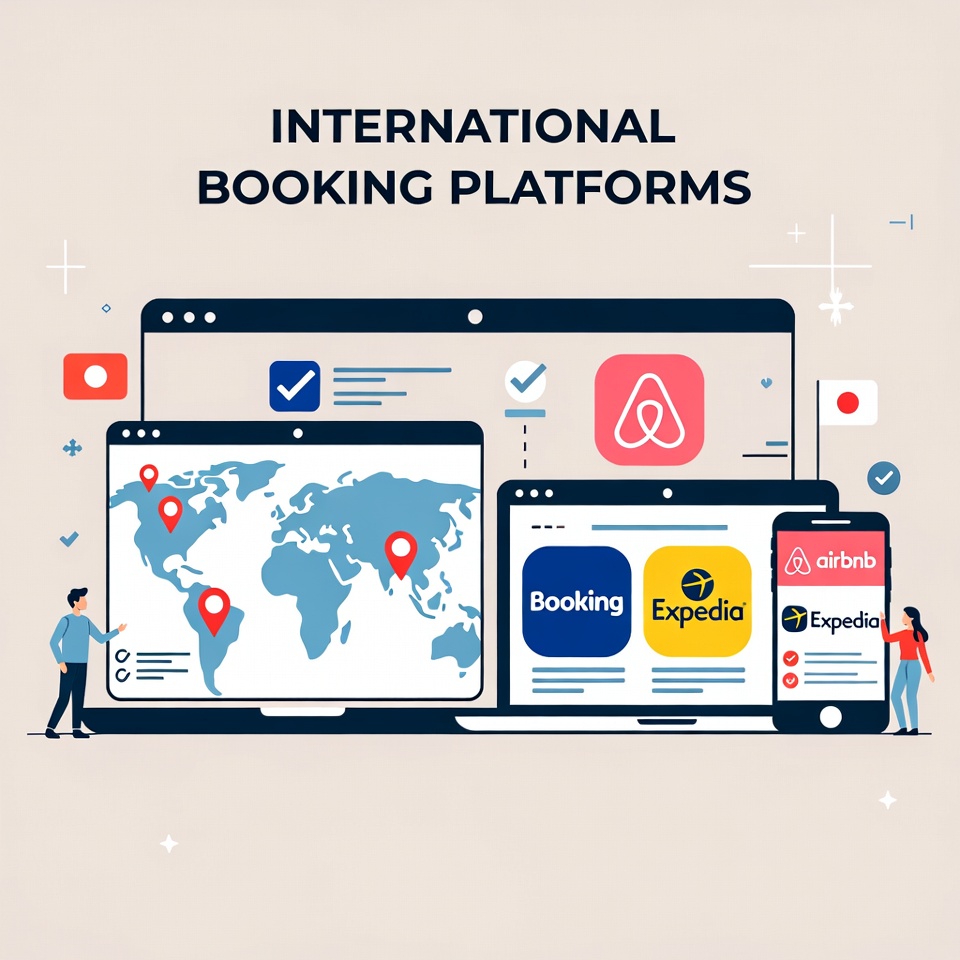
Different platforms work better in different regions.
Common options:
- Booking.com, great for hotels and guesthouses
- Airbnb, good for apartments and long stays
- Agoda, often cheaper in Asia
- Hostelworld, best for hostels
Each platform has strengths. Compare prices across two or three before booking.
Sometimes booking directly with the property saves money or gets you extras like free breakfast or airport pickup.
Before booking direct:
- Read recent reviews
- Confirm cancellation policy
- Get written confirmation by email
Avoid deals that pressure you to pay outside the platform without proper proof.
Hidden Costs That Can Ruin Your Budget
Hidden costs are where many travelers get caught off guard.
These costs rarely appear in the headline price.
Common hidden costs include:
- Cleaning fees
- City or tourist taxes
- Deposits
- Extra guest charges
- Utility fees for long stays
Always scroll to the final price before confirming.
Also check:
- Check in and check out times
- Late check in fees
- Rules about guests or visitors
A cheap place with many extra charges often ends up costing more than a slightly pricier option with clear pricing.
Transparency is a good sign of a trustworthy accommodation.
Final Checklist Before You Confirm Your Booking
Before you click that final button, slow down and double check everything.
Quick checklist:
- Location works for your plans
- Total price is clear
- Reviews mention cleanliness and comfort
- Cancellation policy is flexible if possible
- Photos match the description
- Amenities you need are confirmed
- Host or property communicates clearly
If something feels unclear, ask questions before booking. A good host responds quickly and clearly.
Trust your instincts. If a deal feels too good to be true, it often is.
Final Thoughts
Choosing the right accommodation abroad is not about luxury or chasing the lowest price. It is about balance, comfort, and support for the kind of trip you want to have. When your stay fits your travel style, everything else flows more easily. Take a little extra time to choose wisely, and your future self will thank you every single day of the trip.