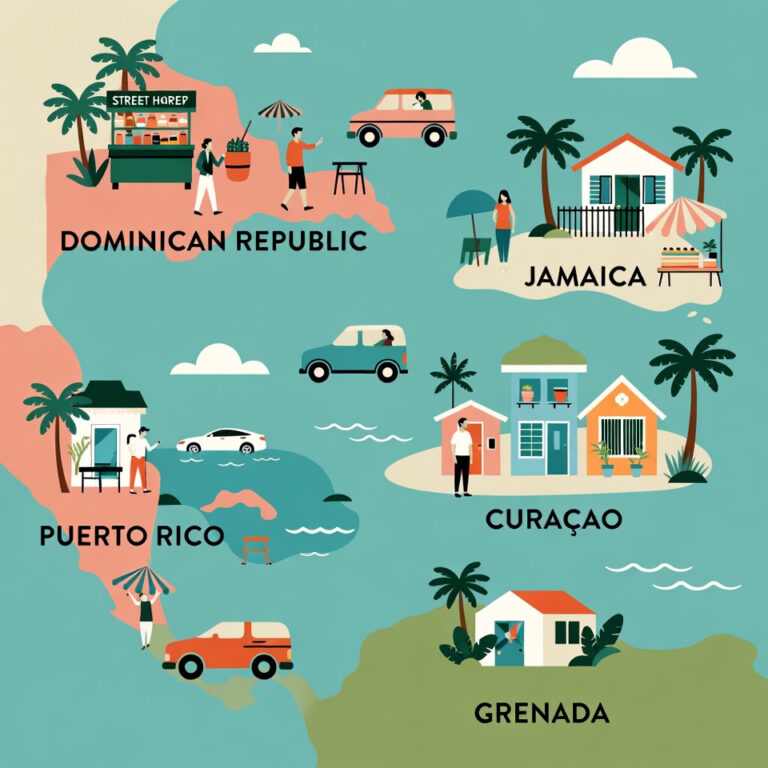
Step-by-Step Guide to Planning a Trip in 30 Days or Less
Planning a trip does not have to feel overwhelming or chaotic, even if you only have a month or less to get everything sorted, because with a clear structure, a realistic mindset, and a few proven strategies, you can plan a smooth, memorable trip without stress, panic, or last-minute regrets.
Week 1: Set the Direction and Build a Strong Foundation
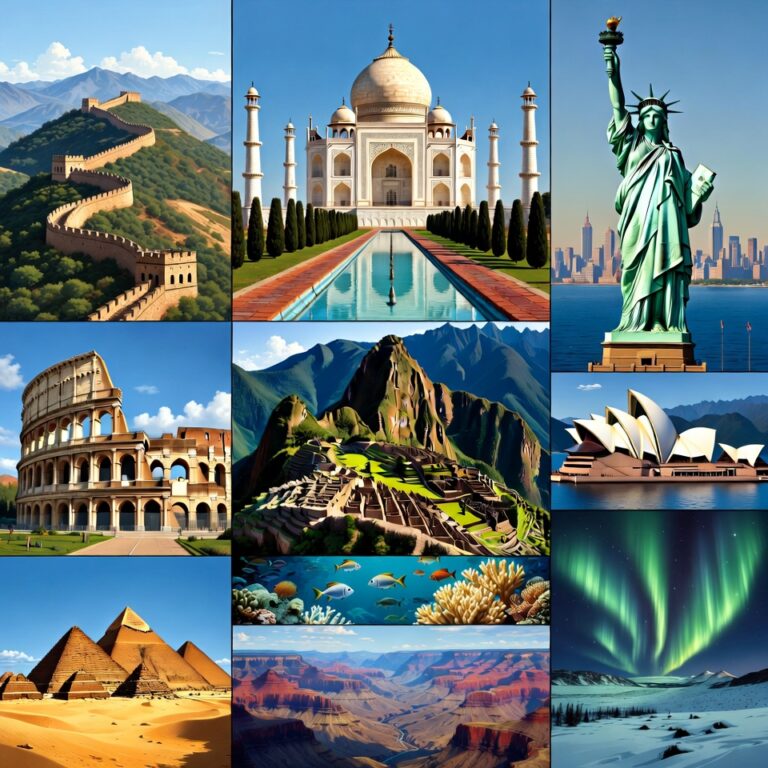
The first step is not just choosing a destination, it is understanding why you want to go there. Travel becomes far more meaningful when it connects to your interests, your curiosity, or your personal goals.
Inspiration can come from books, movies, food, history, documentaries, social media, or even conversations with people who have been there. Avoid picking a place just because it is popular or because someone else is going, choose a destination that excites you and fits your travel experience level.
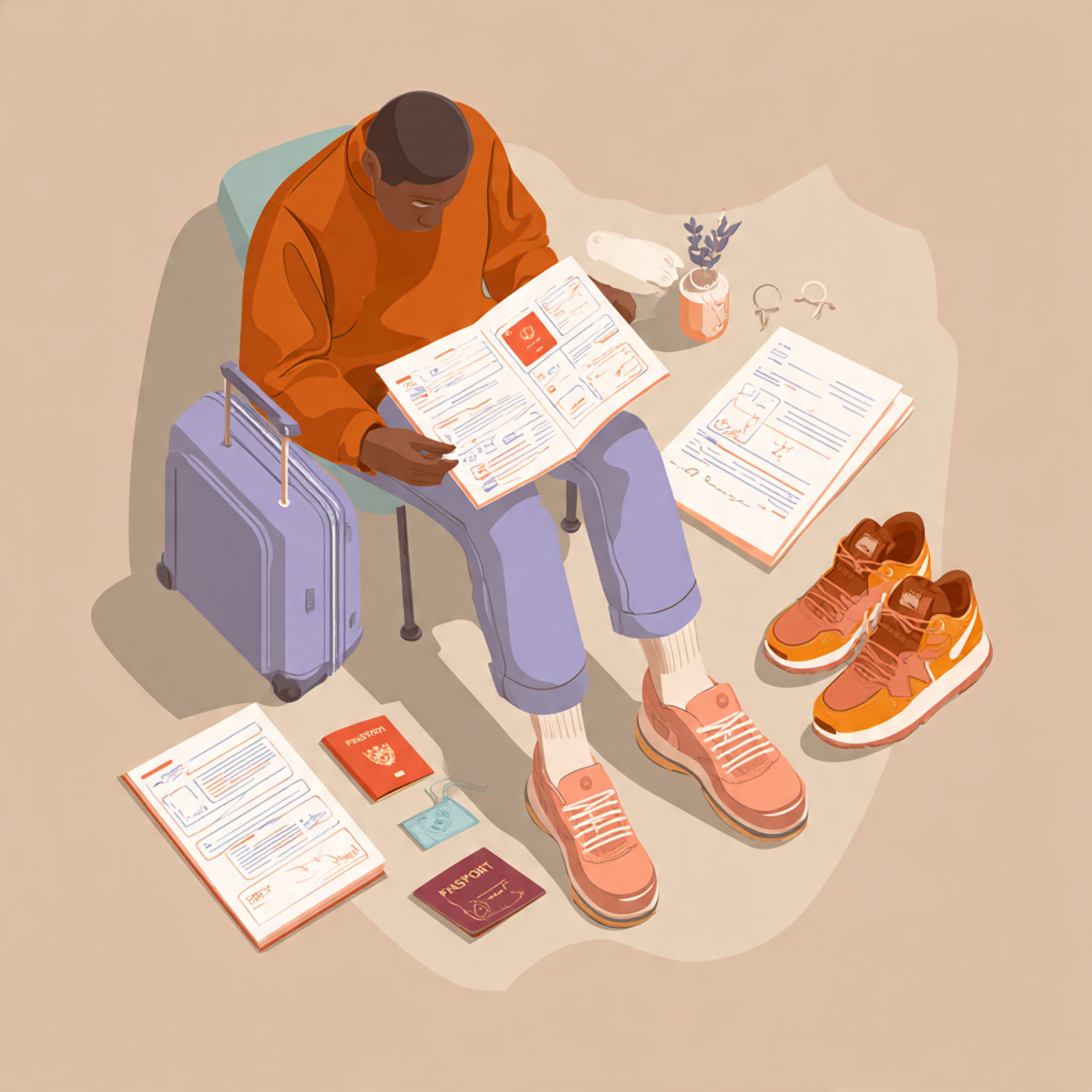
Also consider practicality early. Ask yourself how much time you realistically have, what kind of experiences you want, and whether the destination aligns with your budget and season. A place that needs ten days to enjoy properly will not feel rewarding if you only have three.
Decide the Length of Your Trip
Once the destination feels right, lock in the trip length. Saying “I’m going to Lisbon for five days” is far more actionable than vaguely planning a trip to Europe. The length of your trip affects everything, your budget, accommodation, activities, and even your energy levels. Longer stays usually offer deeper experiences, while rushed itineraries often lead to exhaustion.
If you are unsure how long to stay, list the main things you want to see and do, then add breathing room. Travel is not about ticking boxes, it is about actually experiencing a place.
Set a Realistic Trip Budget
Budgeting is not about restricting yourself, it is about clarity. Break your budget into clear categories, flights, accommodation, food, transport, activities, visas, insurance, and a buffer for unexpected expenses. Research average daily costs using reliable travel blogs, budget tools, and firsthand experiences from travelers with a similar travel style to yours.
Always factor in seasonal pricing, hidden fees, local transport costs, and exchange rates. Knowing your numbers early helps you make confident decisions later and prevents overspending.
Check Passport, Visa, and Health Requirements
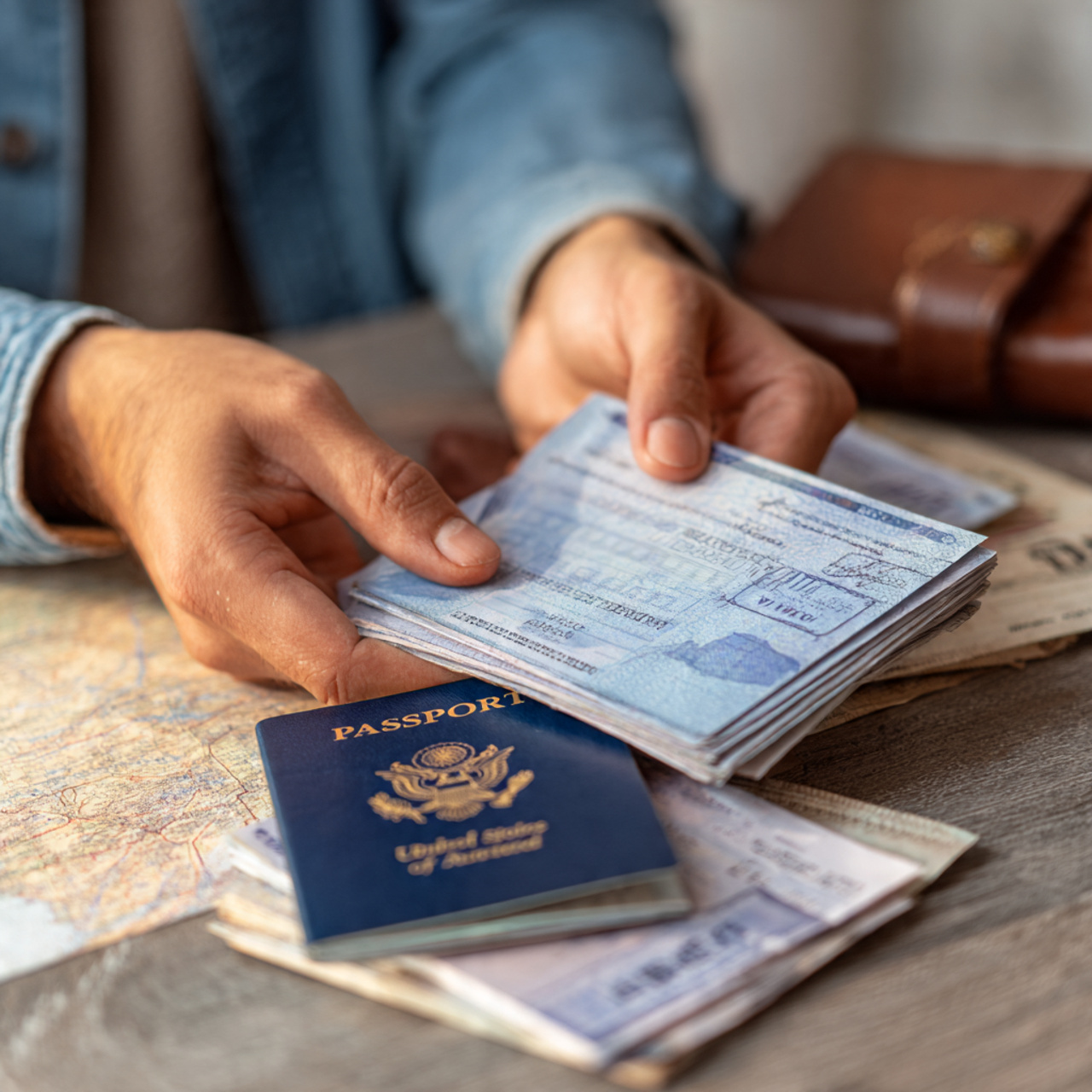
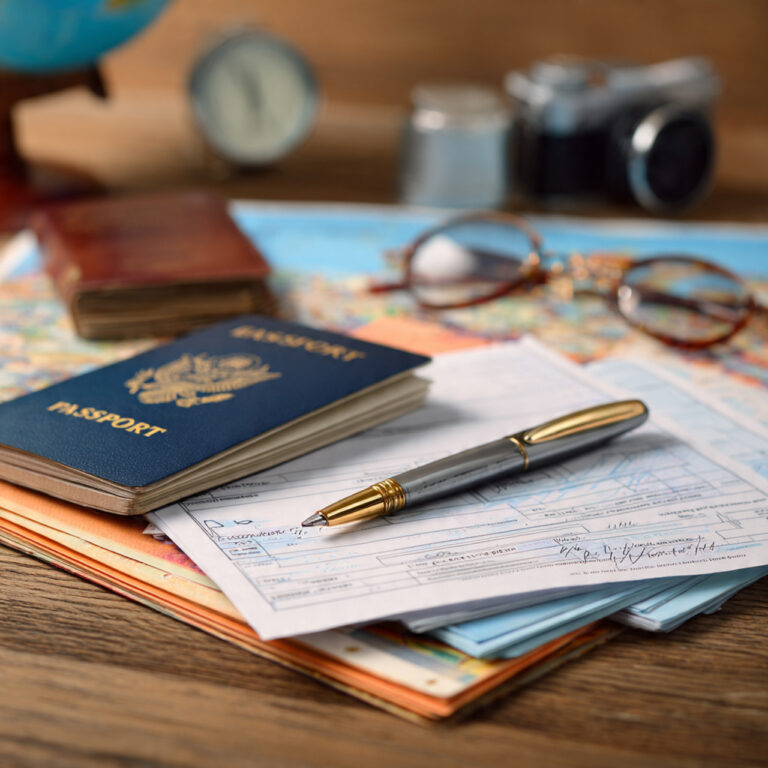
This step should never be delayed. Confirm your passport validity and research visa requirements based on your nationality using official embassy websites. Some visas take weeks, sometimes longer due to holidays or backlogs, so early checks save you from unnecessary stress.
Also research vaccination requirements, health advisories, and medications allowed in your destination. Having this sorted early gives you flexibility and peace of mind.
Week 2: Secure the Fundamentals
You may save money by being flexible. There can be a discernible variation in airfare costs even if you change your travel dates by two or three days. To prevent exorbitant costs, use flight comparison tools, check several airports when you can, and conduct incognito searches.
While domestic flights may be less expensive one to two months in advance, foreign flights are often better booked three to six months in advance. When feasible, steer clear of busy travel days and be willing to take early or late flights in order to save money.
Make Wise Flight Reservations
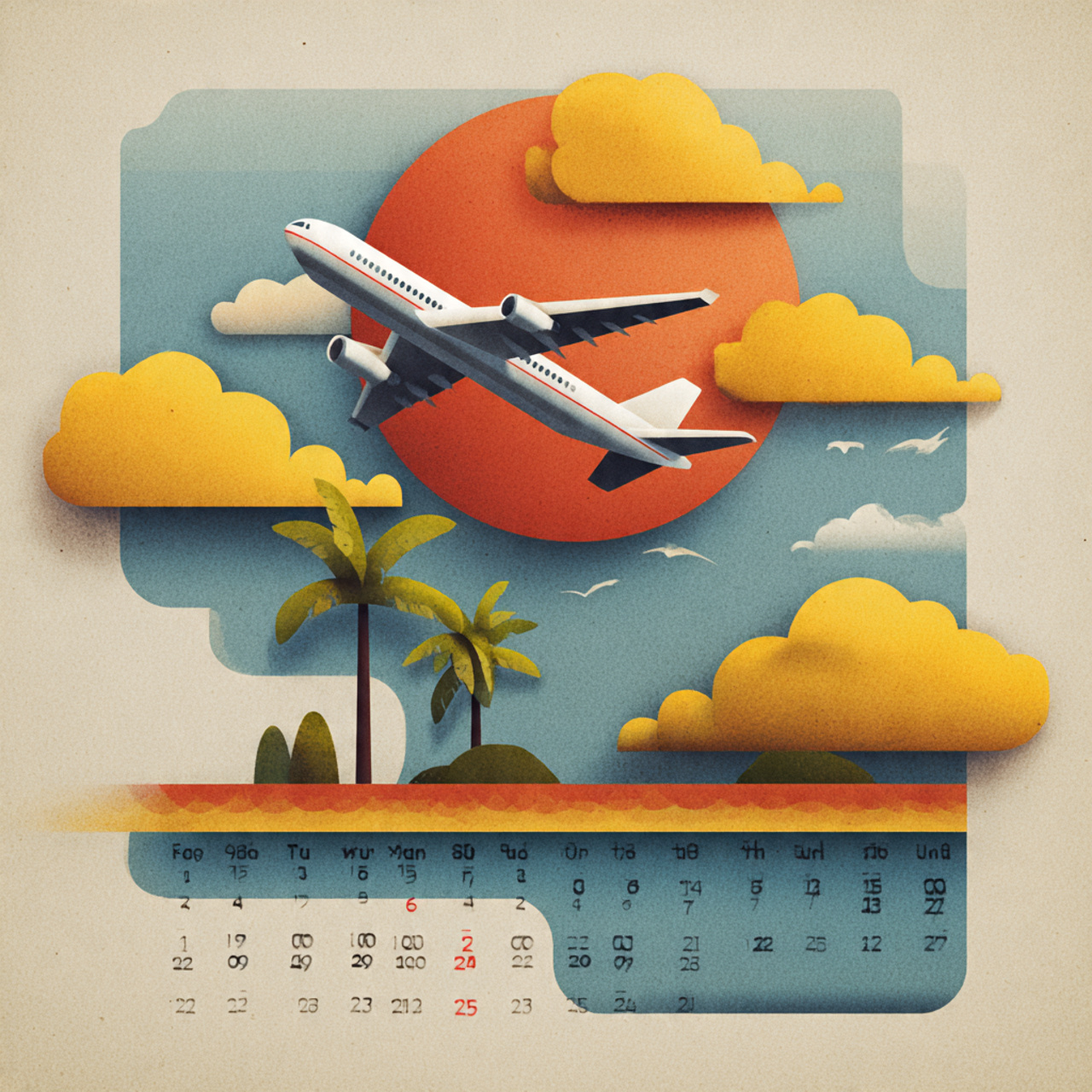
Think about layovers, baggage regulations, and transit visa needs while making travel arrangements. If a slightly longer trip results in cost savings and a reduction in stress.
Always verify cancellation rules and baggage allowances, particularly with low-cost carriers.
Booking flights makes your trip a reality and makes planning much simpler.
Select and Reserve Lodging
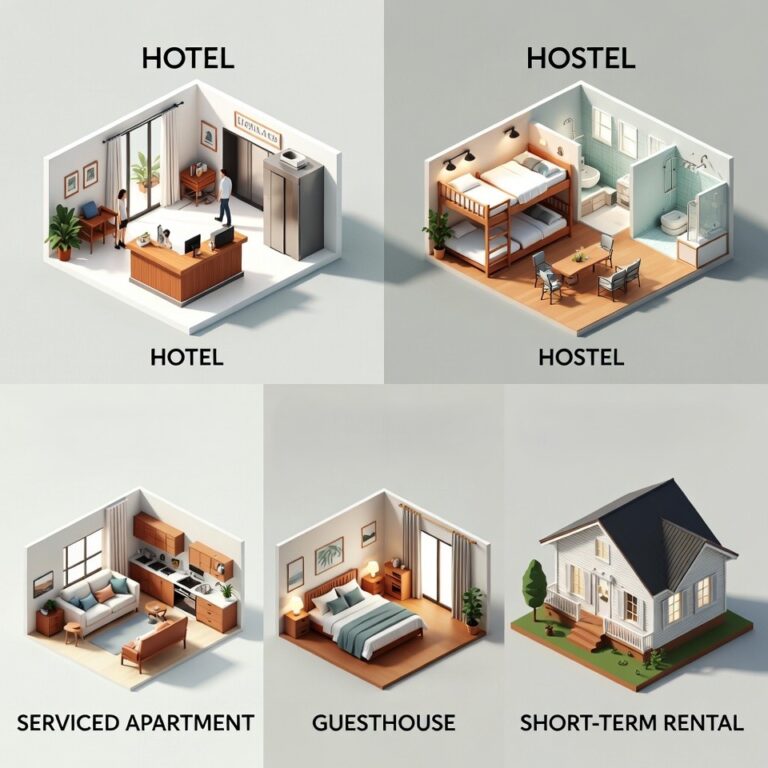
Accommodations should enhance your travel experience rather than make it more difficult. Choose what is most important to you: social atmosphere, seclusion, comfort, or location. Apartments give you space and flexibility, hotels offer convenience, while hostels offer community and affordability.
Carefully read reviews, pay attention to current comments, and give accessibility, cleanliness, and safety first priority. Making reservations in advance offers you more options and frequently lower costs.
Make Transportation Arrangements at Your Final Location
Do some research on your transportation options. While road excursions may necessitate automobile rentals, public transportation in the majority of cities is effective and reasonably priced. You can plan your trip and save money by being aware of your transportation options early on.
Week 3: Plan Experiences Without Overplanning
You should be guided, not controlled, by an itinerary. Make time for relaxation, spontaneity, and unanticipated discoveries by organizing your days around one or two primary activities. While balanced planning enables you to fully appreciate your surroundings, overburdened schedules frequently result in burnout.
Avoid taking too many day trips, group attractions according to location, and keep in mind that sometimes less is more.
Investigate and Schedule Important Tasks
Certain events, particularly well-known sights, festivals, or activities with a limited capacity, require reservations in advance. Prioritize securing the things that are most important to you. One of the best things about traveling is flexibility, so avoid packing every hour with scheduled activities.
Recognize Local Customs and Laws
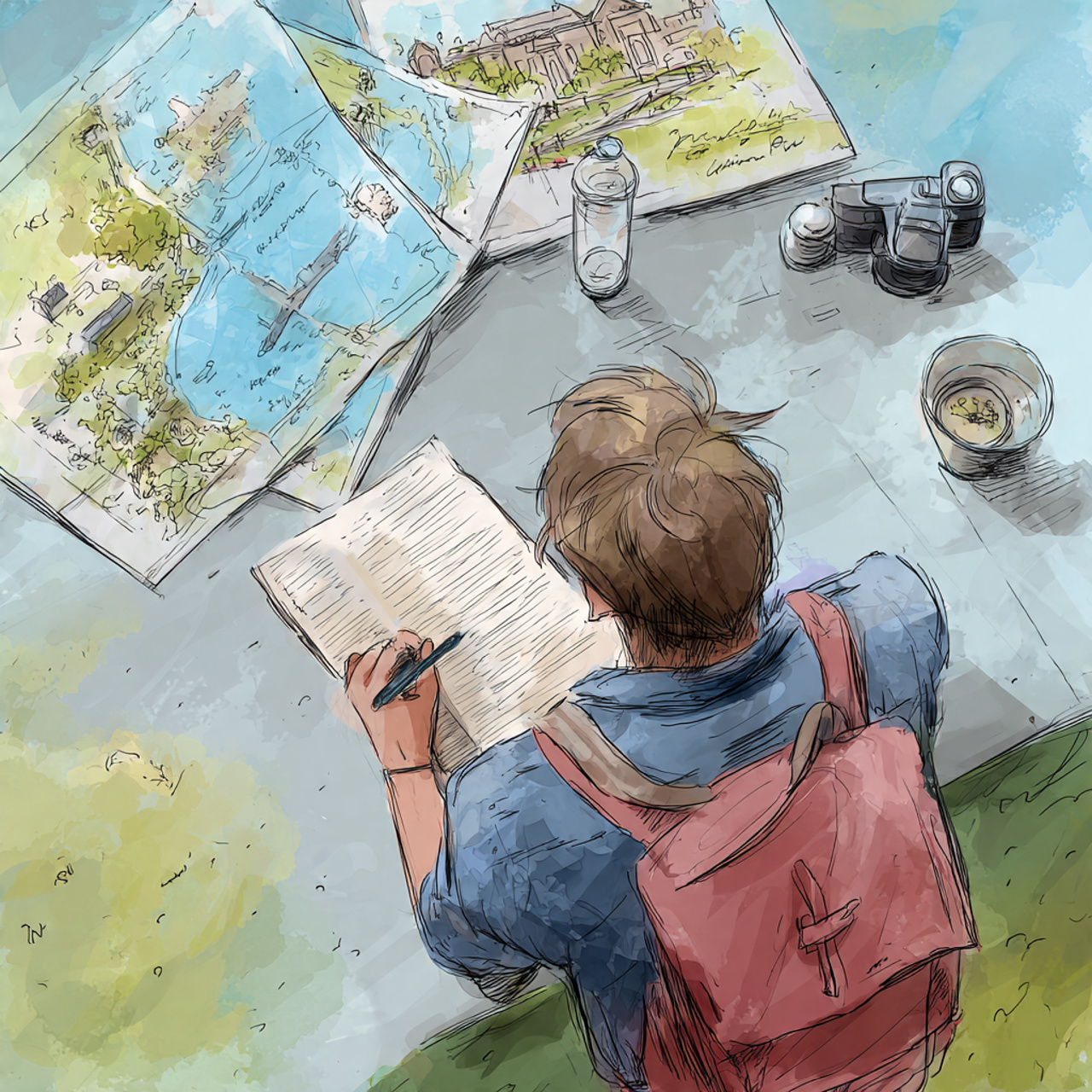
Understanding the fundamental rules, dress norms, and customs of the area demonstrates respect and keeps you out of awkward situations. You can improve your relationship with the location and its people and avoid misunderstandings by doing some basic study.
Arrange Your Dining Experiences
Traveling involves a lot of food. Examine regional cuisine, reasonably priced restaurants, and cultural eating customs. To enjoy real flavors without going over budget, balance restaurant meals with those from markets and neighborhood restaurants.
Plan Food Experiences
Food is a major part of travel. Research local dishes, affordable eating options, and cultural dining habits. Balance restaurant meals with markets and local eateries to experience authentic flavors without overspending.
Week 4: Final Preparations That Make a Big Difference
Maintain both digital and hard copies of your passport, visa, insurance, reservations, and emergency contacts. For convenient access, store them safely on your phone and in cloud storage.
Organize Funds and Payments
Examine available ATMs, payment choices, and currency exchange options. To prevent blocked transactions, carry a combination of cash and cards, and let your bank know about your trip schedule.
Obtain Travel Insurance
It is not optional to get travel insurance. Select a policy that addresses repatriation, theft, cancellations, and medical crises. For peace of mind, it’s one of the best expenditures you can make.
Pack Intentionally
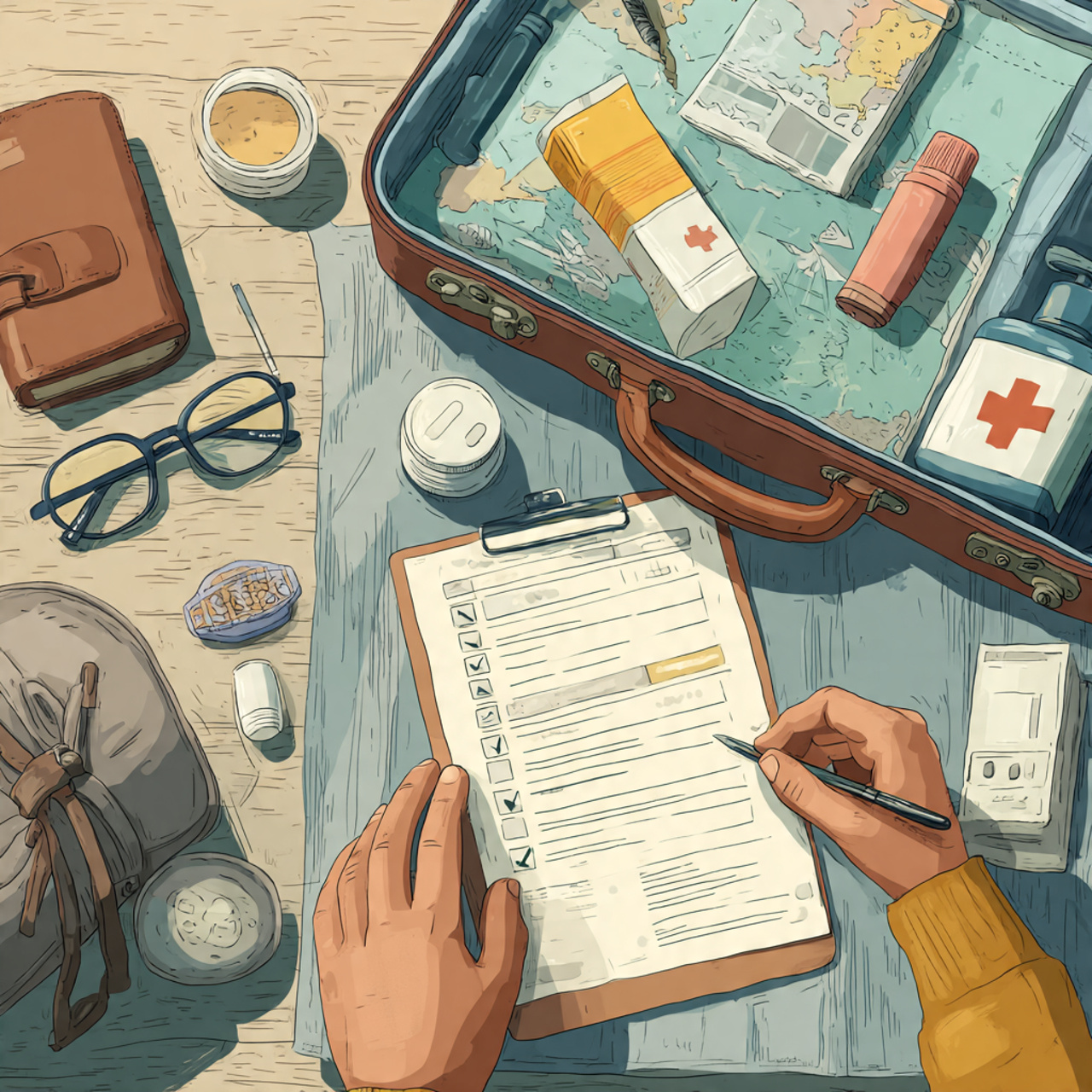
Traveling is made easier when you pack light. Pack only what you will actually use, minimize the number of shoes you wear, and choose adaptable apparel. Pay attention to scheduled activities, the weather, and comfort. Always allow room for mementos or unforeseen expenditures.
Get your health essentials ready. Bring basic first aid supplies, prescription drugs, and travel-specific goods. Verify local laws to prevent problems at customs.
Get Ready to Leave
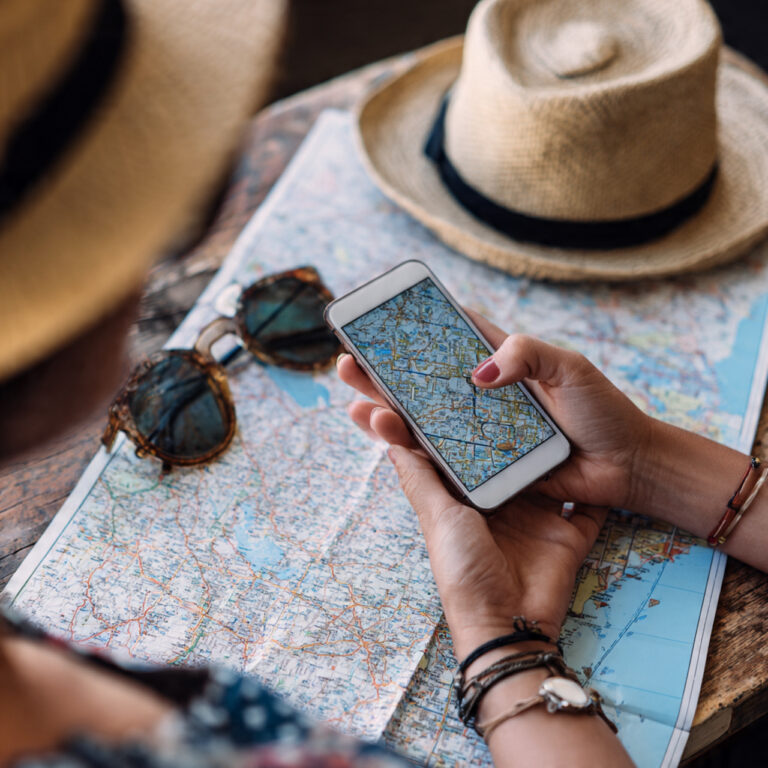
Confirm reservations, verify transportation schedules, charge gadgets, obtain offline maps, and arrange screenshots of significant reservations in the closing days. If at all possible, give yourself a peaceful changeover day so you can begin the journey feeling excited and at ease.
Final Thoughts
Planning a trip in 30 days or less is entirely achievable when you break it down into clear steps, focus on what truly matters, and avoid overcomplicating the process.
With thoughtful preparation, a realistic budget, and a flexible mindset, you are setting yourself up for a trip that feels smooth, meaningful, and genuinely enjoyable. Trust the process, trust yourself, and most importantly, enjoy the journey you worked so hard to create.