
7 Common Travel Planning Mistakes to Avoid
Travel planning looks exciting at first, until small mistakes start creating stress, extra expenses, and unnecessary confusion. I have learned that even simple planning errors can affect an entire trip.
The good news is that most travel problems are completely avoidable once you know what to watch out for before leaving home.
1. Booking Everything at the Last Minute

Last-minute travel planning may sound adventurous, but it usually creates more problems than excitement, especially if you are traveling during busy seasons or with family members.
Flights become more expensive closer to departure dates, and good hotels start disappearing quickly. You often end up paying more money for fewer and lower-quality options.
I once delayed booking accommodation for a holiday trip thinking prices would drop later. Instead, most affordable places sold out, and the remaining options were far outside my budget.
Planning earlier also gives you more flexibility if something changes unexpectedly. You have time to compare prices, adjust dates, and avoid rushed decisions.
Smart Booking Tips
- Book international trips 3 to 6 months ahead
- Book domestic trips 1 to 3 months ahead
- Avoid peak holiday booking rushes
- Use price comparison platforms before paying
- Choose flexible bookings when possible
Early planning does not mean overcomplicating your trip. It simply gives you more control over your budget, comfort, and travel experience.
2. Ignoring Your Travel Budget
One of the fastest ways to ruin a trip is underestimating how much things actually cost. Many travelers focus only on flights and hotels while forgetting smaller expenses that add up quickly.
Transportation, food, attraction tickets, luggage fees, internet access, and shopping can easily stretch your spending far beyond your expectations if you are not careful.
I learned this the hard way during one city trip where daily transport and restaurant costs became more expensive than the hotel itself. Small expenses may not seem serious individually, but together they matter.
Creating a realistic budget before traveling helps you relax more because you already know what you can comfortably spend.
Expenses Travelers Commonly Forget
- Airport transportation
- Travel insurance
- Currency exchange fees
- Tourist taxes and service charges
- Mobile data or roaming costs
- Snacks and daily convenience purchases
Budgeting also helps you prioritize experiences properly. Instead of overspending early in the trip, you can spread your money across activities that truly matter to you.
3. Overpacking for the Trip

Overpacking is one of the most common travel mistakes because many people pack for imaginary situations instead of realistic needs. The result is heavy luggage and unnecessary stress.
I used to carry too many outfits thinking I would wear everything. In reality, most clothes stayed untouched while dragging heavy bags around became exhausting.
Packing lighter makes travel easier in almost every situation. Airports feel smoother, transportation becomes simpler, and unpacking takes far less effort.
The key is focusing on versatile clothing instead of trying to prepare for every possible scenario.
How to Pack Smarter
- Choose neutral-colored clothing pieces
- Pack outfits that can mix easily
- Limit shoes to practical options
- Roll clothes to save space
- Avoid carrying full-size toiletries
- Leave extra room for souvenirs
Comfort matters much more than having endless outfit choices. Once you start traveling with lighter luggage, it becomes difficult to go back to overpacking again.
4. Not Researching the Destination Properly
Many travel problems happen simply because people arrive unprepared for local conditions, cultural expectations, or transportation systems.
Research does not mean creating a complicated schedule. It just means understanding enough about your destination to avoid unnecessary surprises.
Weather is one thing travelers underestimate often. A place may look sunny online but still become cold at night or rainy during certain seasons.
Local customs also matter more than people think. In some destinations, clothing choices or behavior that feels normal elsewhere may appear disrespectful.
Important Things to Research Before Traveling
- Weather conditions during your travel dates
- Local transportation systems
- Cultural expectations and dress codes
- Currency and payment methods
- Safety tips for tourists
- Popular scams to avoid
Even basic research can improve your confidence while traveling. You spend less time confused and more time actually enjoying the experience.
Places like or become much easier to navigate once you understand local transportation and customs beforehand.
5. Forgetting Important Travel Documents

Forgetting important documents creates unnecessary panic very quickly, especially when dealing with flights, border control, or hotel check-ins.
Passports, visas, identification cards, and travel confirmations should always be checked carefully before leaving for the airport.
One mistake many travelers make is assuming digital copies alone are enough. Phones can lose battery, internet access may fail, and apps sometimes stop working unexpectedly.
Keeping both digital and physical backups creates extra security without requiring much effort.
Essential Documents to Double-Check
- Passport validity
- Visa requirements
- Flight confirmations
- Hotel reservations
- Travel insurance details
- Emergency contact information
Some countries also require passports to remain valid for several months beyond your travel dates. Ignoring this detail has caused many travelers to miss flights entirely.
Staying organized with your documents removes a huge amount of stress during travel days.
6. Not Preparing for Unexpected Problems
No matter how well you plan, unexpected issues can still happen during travel. Flights get delayed, luggage gets lost, weather changes suddenly, and health problems sometimes appear without warning.
The difference is that prepared travelers handle these situations much more calmly because they already have backup plans.
I remember a delayed flight that completely disrupted my hotel check-in schedule. Having emergency cash and offline hotel information saved me from unnecessary panic.
You do not need to expect disaster, but preparing for small problems makes traveling far less stressful overall.
Simple Ways to Stay Prepared
- Carry some emergency cash
- Save offline copies of bookings
- Pack basic medication
- Keep chargers in your carry-on bag
- Share your itinerary with someone trusted
- Arrive at airports earlier than necessary
Travel becomes smoother when you accept that small disruptions are normal instead of treating every inconvenience like a disaster.
7. Trying to See Too Much Too Quickly
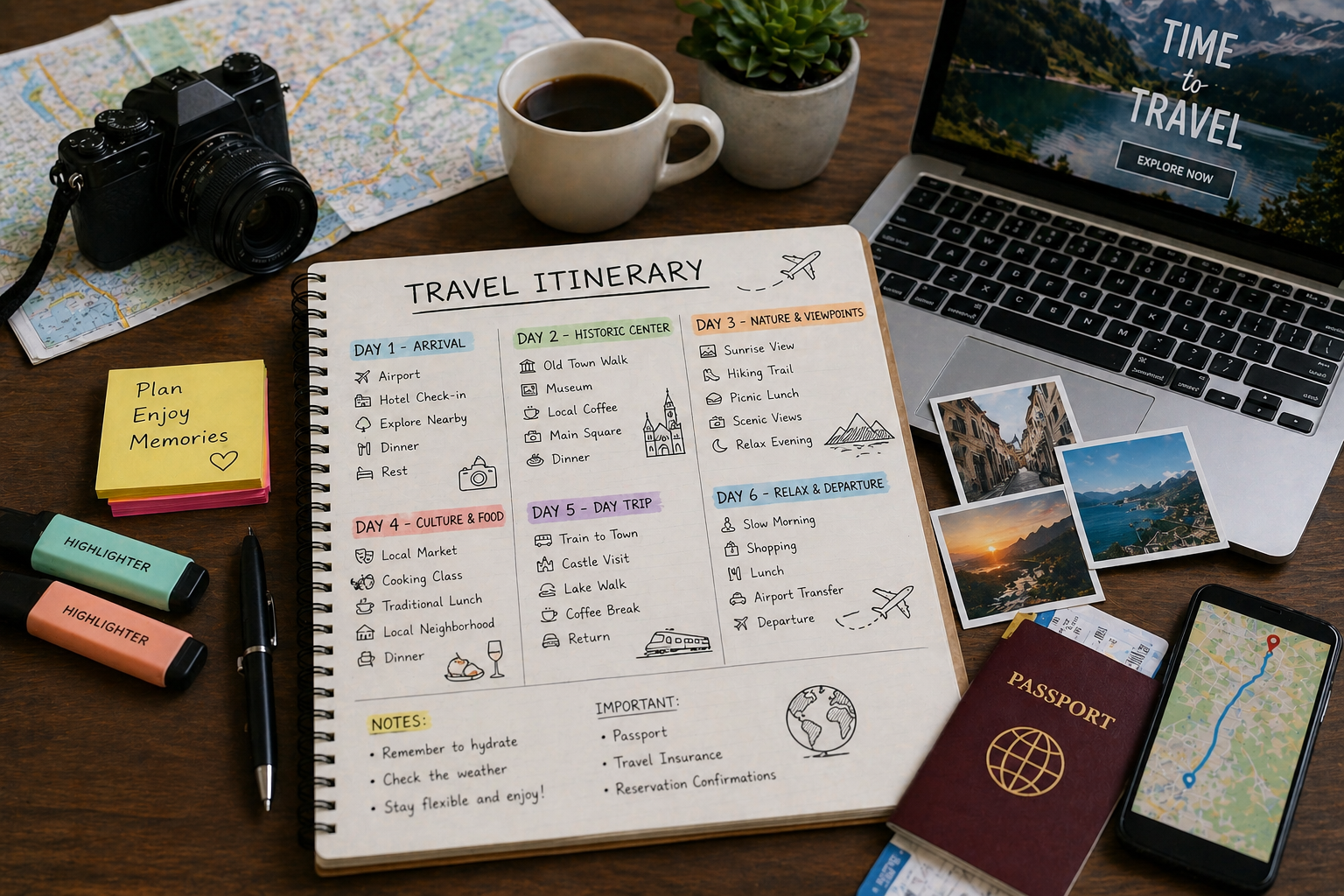
One of the biggest planning mistakes is overloading your itinerary. Many travelers try fitting too many activities into a short trip and end up feeling exhausted instead of relaxed.
I used to believe maximizing every hour meant getting the most value from a trip. Eventually I realized constantly rushing between attractions removes the joy from traveling completely.
Some of the best travel memories come from slow moments, walking through neighborhoods, relaxing at cafés, or exploring places without pressure.
Trying to visit too many attractions also increases stress because transportation delays and long lines become harder to manage.
Signs Your Itinerary Is Too Busy
- Multiple attractions planned every few hours
- No free time between activities
- Constant early wake-up schedules
- Long daily transportation times
- Feeling exhausted halfway through the trip
A slower travel pace often creates a much better experience. You notice more details, feel less pressure, and actually enjoy the places you worked hard to visit.
Cities like and are much more enjoyable when you allow time for spontaneous experiences instead of rushing constantly.
How to Create a Stress-Free Travel Plan
Good travel planning is not about controlling every minute of your trip. It is about creating enough structure to avoid avoidable problems while still leaving room for flexibility.
The best travel plans usually balance organization with freedom. You handle the important details early, then allow yourself space to enjoy the journey naturally.
A stress-free travel plan should include:
- Realistic activity schedules
- Comfortable transportation timing
- Flexible budgeting
- Backup plans for delays
- Rest time between busy days
One thing I have learned from experience is that simpler trips often become the most memorable ones. When you stop trying to make everything perfect, travel starts feeling much more enjoyable.
Final Thoughts
Travel mistakes happen to almost everyone at some point, but many of them become easier to avoid with better preparation and realistic expectations.
Planning ahead, researching properly, packing lighter, and staying flexible can completely change how your trip feels. Instead of spending your vacation stressed and overwhelmed, you get to focus on the experiences that actually matter.
The goal of travel is not just reaching a destination, it is enjoying the entire experience from beginning to end.