The International Travel Safety Checklist (Don’t Leave Without This!)
Traveling internationally is exciting, but I have learned that the difference between a smooth trip and a stressful one often comes down to preparation, and if you take safety seriously before you leave, you can explore confidently instead of constantly worrying about what might go wrong.
Why International Travel Safety Planning Is Non Negotiable
Many travelers assume nothing bad will happen to them. Most of the time, that is true, but safety is about preparation, not fear.
Small mistakes, like ignoring visa rules or not checking local laws, can create serious problems abroad.
When you plan ahead, you reduce risk, stress, and unexpected expenses. You also respond faster if something goes wrong.
Think of safety planning as travel insurance for your peace of mind.
Pre Travel Safety Research Checklist
Before booking anything, research your destination carefully. Do not rely only on social media photos.
Check official government travel advisories for up to date safety information.
Look into common tourist scams in that country. Knowing what to expect helps you avoid being an easy target.
Research local laws and cultural expectations. Some actions that are normal at home may be illegal elsewhere.
Pay attention to:
- Political stability
- Weather patterns and natural disaster risks
- High risk neighborhoods
- Public transportation safety
- Recent news reports
A few hours of research can prevent major problems later.
Passport, Visa, and Travel Document Safety
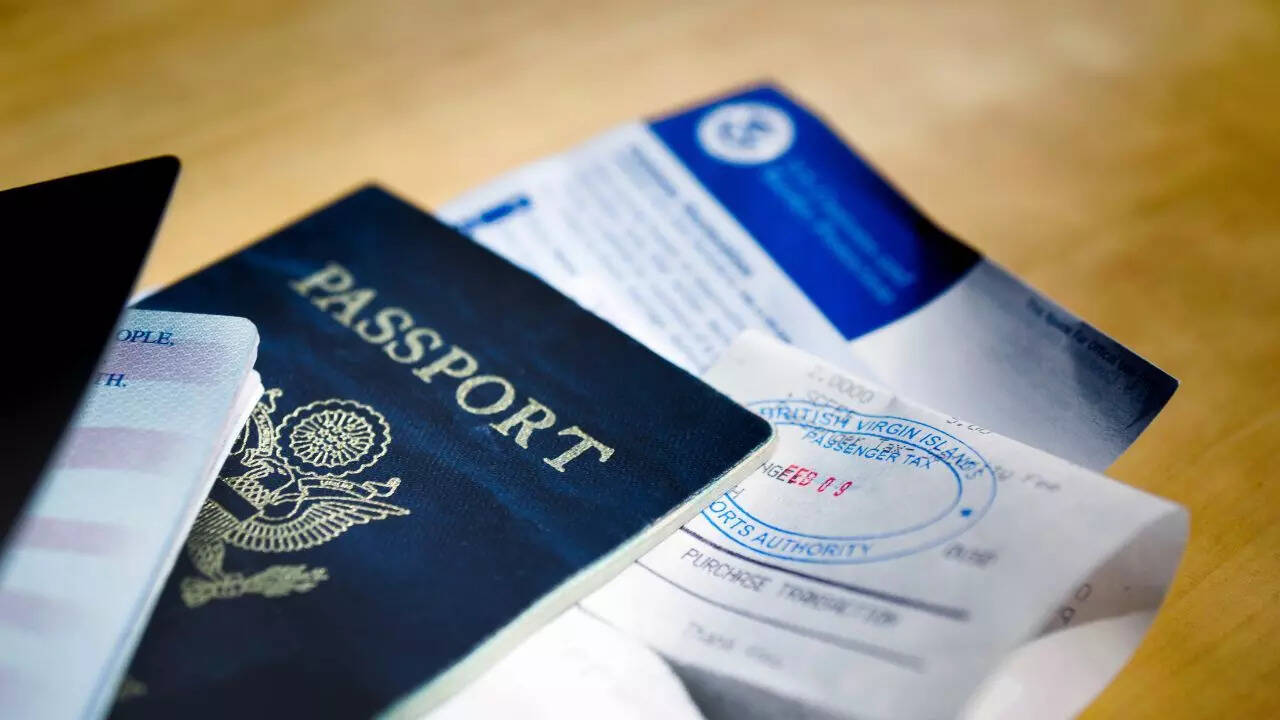
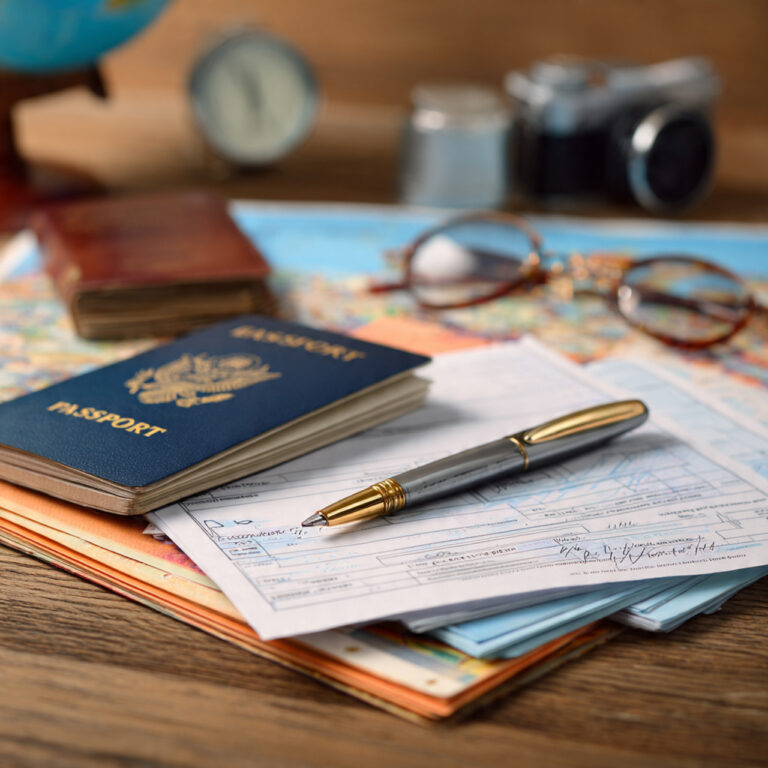
Your passport is the most important item you carry internationally.
Check the expiration date early. Many countries require at least six months validity beyond your travel date.
Confirm visa requirements well in advance. Some countries offer visa on arrival, others require applications weeks ahead.
Make multiple copies of important documents, both physical and digital.
Keep:
- A printed passport copy in your luggage
- A digital copy stored securely online
- Visa approval confirmations
- Travel insurance documents
- Embassy contact information
Store your passport in a secure location while traveling, preferably in a hidden travel pouch or hotel safe.
Health and Medical Safety Preparation
Your health should never be an afterthought.
Check whether your destination requires specific vaccinations. Some countries will deny entry without proof.
Purchase travel insurance that includes medical coverage and emergency evacuation.
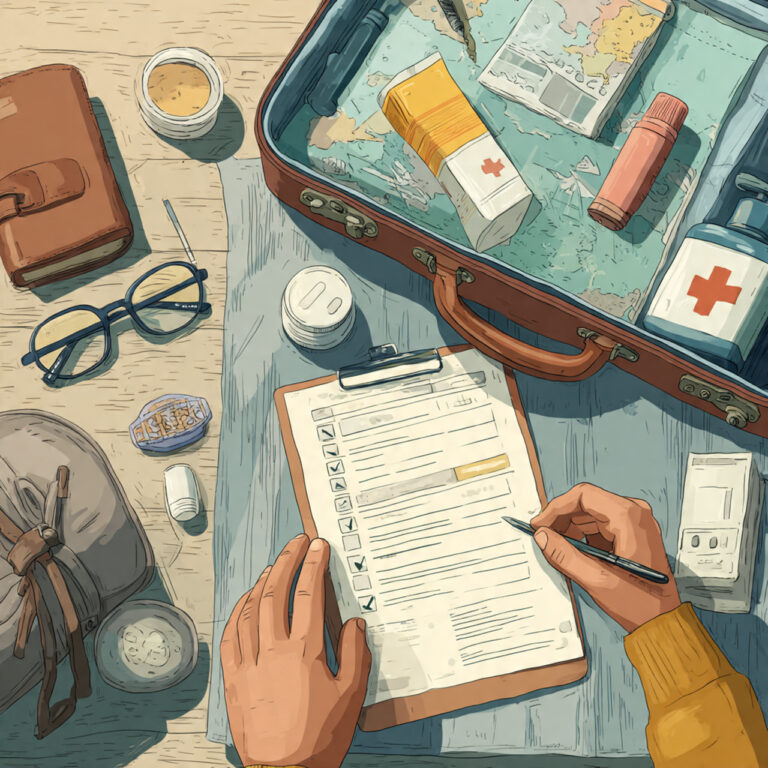
Pack a small medical kit with essentials such as pain relievers, bandages, and personal medication.
If you take prescription medicine, bring enough for your entire trip plus extra in case of delays.
Research local healthcare quality. Knowing where the nearest reputable hospital is can save valuable time during emergencies.
Financial Safety and Money Protection

Money related problems are common during international travel.
Notify your bank before leaving so your card is not blocked for suspicious activity.
Carry more than one payment method. If one card fails, you have a backup.
Avoid exchanging large amounts of money at airports, since rates are usually poor.
Keep cash in separate places instead of storing everything in one wallet.
Protect yourself by:
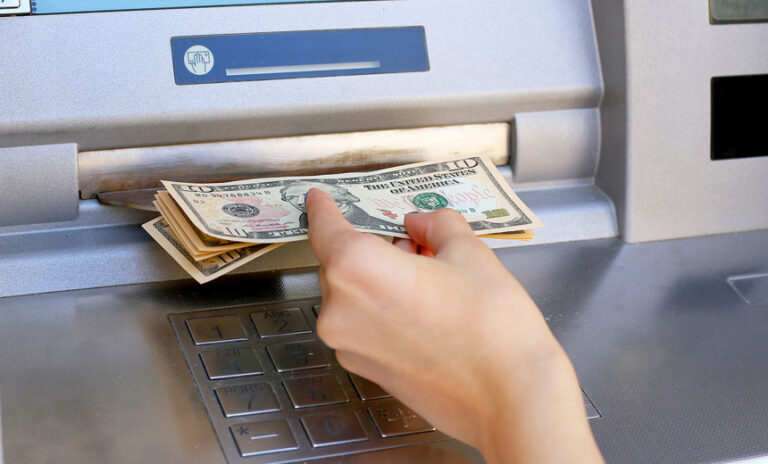
- Using reputable ATMs inside banks or hotels
- Checking for card skimmers before inserting your card
- Choosing local currency when paying by card
- Monitoring transactions regularly
- Keeping emergency funds separate
Financial preparation reduces stress and protects your travel budget.
Flight and Transportation Safety Tips
Safety starts even before you arrive.
Choose reputable airlines with good safety records. Price is important, but reliability matters more.
Arrive early at airports to avoid rushing, which can lead to mistakes.
Be alert when using public transportation. Keep your bags close and avoid displaying valuables.
If using rideshare or taxis, verify the driver’s identity before entering the vehicle.
For longer layovers, remain aware of your surroundings and avoid sleeping in isolated areas.
Transportation safety often comes down to staying observant and making smart decisions.
Accommodation Safety Checklist

Where you stay plays a major role in your safety.
Book accommodations through trusted platforms and read recent reviews carefully.
Check the neighborhood location, not just the property photos.
Once you arrive, inspect the room. Locate emergency exits and test door locks.
Use the in room safe for passports and valuables when possible.
Simple habits help, such as:
- Locking doors and windows securely
- Avoiding sharing your room number publicly
- Keeping curtains closed at night
- Using additional portable door locks if available
Feeling safe in your accommodation allows you to relax fully.
Personal Safety Strategies for International Travelers
Personal awareness is your strongest safety tool.
Walk confidently and avoid looking lost. If you need directions, step into a shop instead of standing in the street.
Dress in a way that respects local culture. Blending in reduces unwanted attention.
Avoid carrying expensive items openly, especially in crowded areas.
Important habits include:
- Trusting your instincts
- Avoiding poorly lit streets at night
- Limiting alcohol consumption in unfamiliar places
- Sharing your itinerary with someone you trust
- Keeping emergency contacts easily accessible
Confidence combined with caution creates balance.
Solo Travel Safety Considerations

Traveling alone can be empowering, but it requires extra awareness.
Share your travel plans with a trusted friend or family member. Update them if your plans change.
Check in regularly so someone knows you are safe.
Be selective about who you trust. Not everyone who appears friendly has good intentions.
If you feel uncomfortable in any situation, remove yourself immediately.
Solo travel safety is about independence paired with preparation.
Natural Disaster and Emergency Preparedness
Some destinations are prone to earthquakes, hurricanes, or floods.
Research common natural disasters in your destination and understand the typical season.
Learn local emergency numbers. They differ from country to country.
Know the basic evacuation procedures for your accommodation.
Prepare by:
- Keeping important documents easily accessible
- Storing emergency cash separately
- Following local news updates
- Identifying safe shelter areas
- Having a small emergency bag ready
Preparedness reduces panic during unexpected situations.
International Travel Safety Packing Checklist
Packing the right items adds another layer of protection.
Anti theft bags with secure zippers can reduce pickpocket risk.
Portable door locks or door alarms add security in unfamiliar hotels.
A small flashlight can be useful during power outages.
Carry copies of emergency contacts in case your phone dies.
Consider packing:
- A basic first aid kit
- Extra passport photos
- A power bank
- A whistle for emergencies
- A money belt or hidden pouch
Smart packing choices strengthen your overall safety strategy.
What To Do If Something Goes Wrong Abroad
Even with preparation, problems can still happen.
If your passport is lost or stolen, report it immediately to local authorities and contact your embassy.
Keep copies of important documents to speed up replacement processes.
If you experience theft, file a police report. This is often required for insurance claims.
For medical emergencies, contact your insurance provider for guidance on approved hospitals.
Stay calm and act methodically. Panic rarely helps, but preparation does.
Knowing the steps ahead of time gives you confidence during stressful moments.
Final Printable International Travel Safety Checklist

Before departure, confirm:
- Passport validity
- Visa approval
- Travel insurance coverage
- Emergency contacts saved
- Copies of important documents
On arrival, check:
- Transportation safety
- Accommodation security
- Local emergency numbers
- Safe storage for valuables
Daily habits to maintain:
- Stay aware of surroundings
- Monitor spending
- Secure documents
- Communicate plans to someone trusted
Having a checklist ensures nothing important is overlooked.
Final Thoughts
International travel should be exciting, not stressful.
When you prepare properly, you shift from reacting to problems to preventing them.
Safety planning does not remove adventure, it supports it.
The more organized you are before leaving, the freer you feel once you arrive.
Take this checklist seriously, and you will travel smarter, calmer, and far more confidently wherever you go.