How to Exchange Money Like a Pro and Avoid Hidden Fees While Traveling
Exchanging money while traveling seems simple, until you realize how much you can lose through bad rates and hidden fees, and once you understand how the system works, you can keep more of your money and travel with confidence instead of frustration.
Why Currency Exchange Mistakes Cost Travelers More Than They Realize

Most travelers focus on flights and hotels, but ignore exchange rates. That small oversight can quietly cost you hundreds over the course of a trip.
The difference between a good and bad exchange rate may look small on paper. In reality, it multiplies every time you withdraw, swipe, or convert currency.
Many services advertise convenience, not value. Airports and tourist centers know you need quick access to cash.
When you understand where money is lost, you can plan better and avoid unnecessary expenses.
Smart travelers treat currency exchange as part of their travel strategy, not an afterthought.
Understanding Exchange Rates Before You Travel
Before you exchange a single dollar, you need to understand what you are looking at.
The mid market rate is the real exchange rate you see on financial websites. It is the midpoint between buying and selling prices.
Banks and exchange providers add a margin on top of this rate. That margin is where they make their profit.
There are usually two key rates:
- Buy rate, the price at which they sell foreign currency to you
- Sell rate, the price at which they buy it back
- Interbank rate, the rate banks use between themselves
The larger the gap between the mid market rate and the offered rate, the more you are paying.
Checking the live rate before exchanging money helps you spot unfair deals immediately.
Where to Exchange Money for the Best Rates
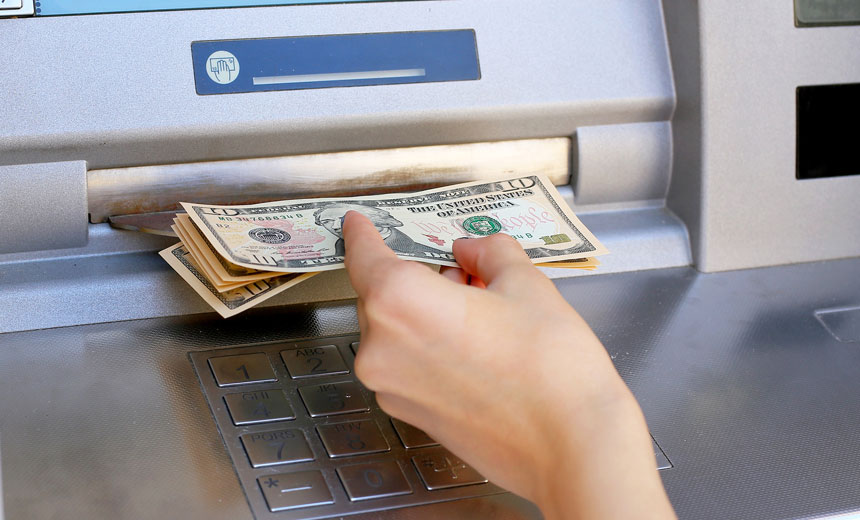
Choosing the right place to exchange money can save you a significant amount.
Airports are convenient, but they often offer the worst rates. You are paying for location and urgency.
Local banks usually provide more competitive rates, especially in major cities.
International ATMs often give better rates than exchange counters, depending on your bank’s fees.
You can consider:
- Exchanging a small amount before departure for immediate expenses
- Withdrawing larger amounts from reputable bank ATMs abroad
- Using trusted exchange bureaus in city centers
- Comparing rates online before committing
Never exchange money with random individuals on the street, no matter how attractive the rate sounds.
Planning ahead gives you control instead of forcing last minute decisions.
Avoiding Hidden Currency Exchange Fees
The exchange rate is not the only cost you need to worry about.
Foreign transaction fees are common with many debit and credit cards. These can range from one to three percent per transaction.
ATM withdrawal fees may apply from both your home bank and the foreign bank.
Dynamic currency conversion is another trap. This happens when you are asked whether you want to pay in your home currency instead of local currency.
Always choose the local currency. Accepting your home currency usually comes with a poor exchange rate and added markup.
Common hidden charges include:
- Foreign transaction fees
- ATM operator fees
- Currency conversion markups
- Service commissions
- Minimum transaction charges
Reading your bank’s fee structure before traveling is one of the smartest moves you can make.
Credit Cards vs Debit Cards for International Travel

Both credit and debit cards can be useful abroad, but they work differently.
Credit cards often offer better fraud protection. If something goes wrong, it is easier to dispute charges.
Some travel friendly credit cards offer zero foreign transaction fees. That alone can save you money.
Debit cards are useful for withdrawing local currency directly from ATMs.
Before traveling, consider:
- Whether your card charges foreign transaction fees
- Daily withdrawal limits
- ATM network compatibility
- Emergency support services
It is wise to carry at least two cards in case one fails or gets blocked.
Also, notify your bank before traveling. Sudden foreign transactions can trigger fraud alerts.
Best Travel Money Strategies for Different Destinations
Not every country handles payments the same way.
In developed countries, card payments are widely accepted. You may need very little cash.
In cash based economies, small shops and transport services may not accept cards at all.
Some countries have strict currency regulations. You may not be able to exchange large amounts freely.
High inflation regions require careful planning because exchange rates can change quickly.
Your strategy should depend on:
- Local payment culture
- Currency stability
- Safety conditions
- Banking infrastructure
Researching your destination helps you avoid surprises on arrival.
How to Monitor Exchange Rates
You do not need to be a financial expert to track exchange rates effectively.
Currency tracking apps and financial websites show real time rates. These tools help you understand trends before your trip.
Setting rate alerts can notify you when the exchange rate becomes more favorable.
If your trip is months away, monitoring trends may help you exchange money at a better time.
Keep in mind that trying to perfectly time the market is difficult. Focus on avoiding bad rates rather than chasing perfect ones.
Simple habits like checking rates weekly before travel can make a noticeable difference.
Common Currency Exchange Scams and How to Avoid Them
Scams increase in tourist heavy areas, especially where travelers seem unsure.
Street money changers may offer attractive rates, but the risks are high.
Some common scams include:
- Giving fewer notes than agreed
- Mixing fake currency with real notes
- Switching bills during counting
- Distracting you during the transaction
Always count your money carefully before leaving the counter.
Use official exchange offices or banks whenever possible.
Avoid displaying large amounts of cash in public. Keep your wallet secure and discreet.
If something feels suspicious, trust your instincts and walk away.
Step by Step Guide to Exchanging Money Safely Before and During Your Trip

A clear plan removes stress from the process.
First, research your destination’s currency and typical payment methods.
Second, compare rates from your bank and reputable exchange services.
Third, exchange a small amount before departure if needed for transport or immediate expenses.
Once you arrive, withdraw or exchange larger amounts in secure locations.
During transactions, remember to:
- Choose local currency when given the option
- Keep receipts for reference
- Review card statements regularly
- Store cash in separate locations
Keeping part of your money in cash and part on card adds flexibility.
Diversifying your payment methods reduces risk and increases convenience.
Final Thoughts
Exchanging money like a pro is not complicated, it just requires awareness.
When you understand exchange rates, avoid hidden fees, and choose the right payment methods, you protect your travel budget.
Every percentage saved on fees is money you can spend on experiences instead.
Travel is already expensive, so there is no reason to lose extra money to poor exchange decisions.
With a little preparation, you can move confidently through any country knowing your finances are handled wisely.