How to Stay Healthy While Traveling Across Multiple Countries
Traveling across multiple countries is exciting, but it also puts your body under constant change from food, climate, time zones, and movement.
Staying healthy is not just about avoiding illness, it is about maintaining energy so you can actually enjoy your trip without feeling drained or overwhelmed.
Preparing Your Health Before You Travel Internationally
Before you even step on a plane, your health preparation sets the tone for your entire journey. Many travelers skip this step and only think about health when something goes wrong abroad, which often makes things harder to manage.
A simple medical checkup before long travel is always a smart move, especially if you already have existing health conditions. It helps you understand what to watch out for and what medications you may need to carry.
Vaccinations are also important depending on your destination. Some countries require proof of immunization, while others strongly recommend protection against common regional diseases.
Understanding health risks in different regions also helps you avoid unnecessary surprises. For example, tropical countries may require mosquito protection, while colder regions may increase the risk of flu-like illnesses.
Key Health Preparation Steps
- Visit a doctor for a travel health checkup
- Update essential vaccinations
- Pack enough prescription medication for your entire trip
- Carry a doctor’s note for important medications
- Research health risks in each destination
- Check travel insurance coverage
One mistake I once made was assuming I could easily find the same medication abroad. That was not the case, and it made me realize how important it is to carry everything you need before leaving your home country.
Being prepared early removes a lot of stress later and allows you to focus on enjoying your travel experience instead of worrying about health emergencies.
Building a Strong Travel Health Kit for Multi-Country Trips
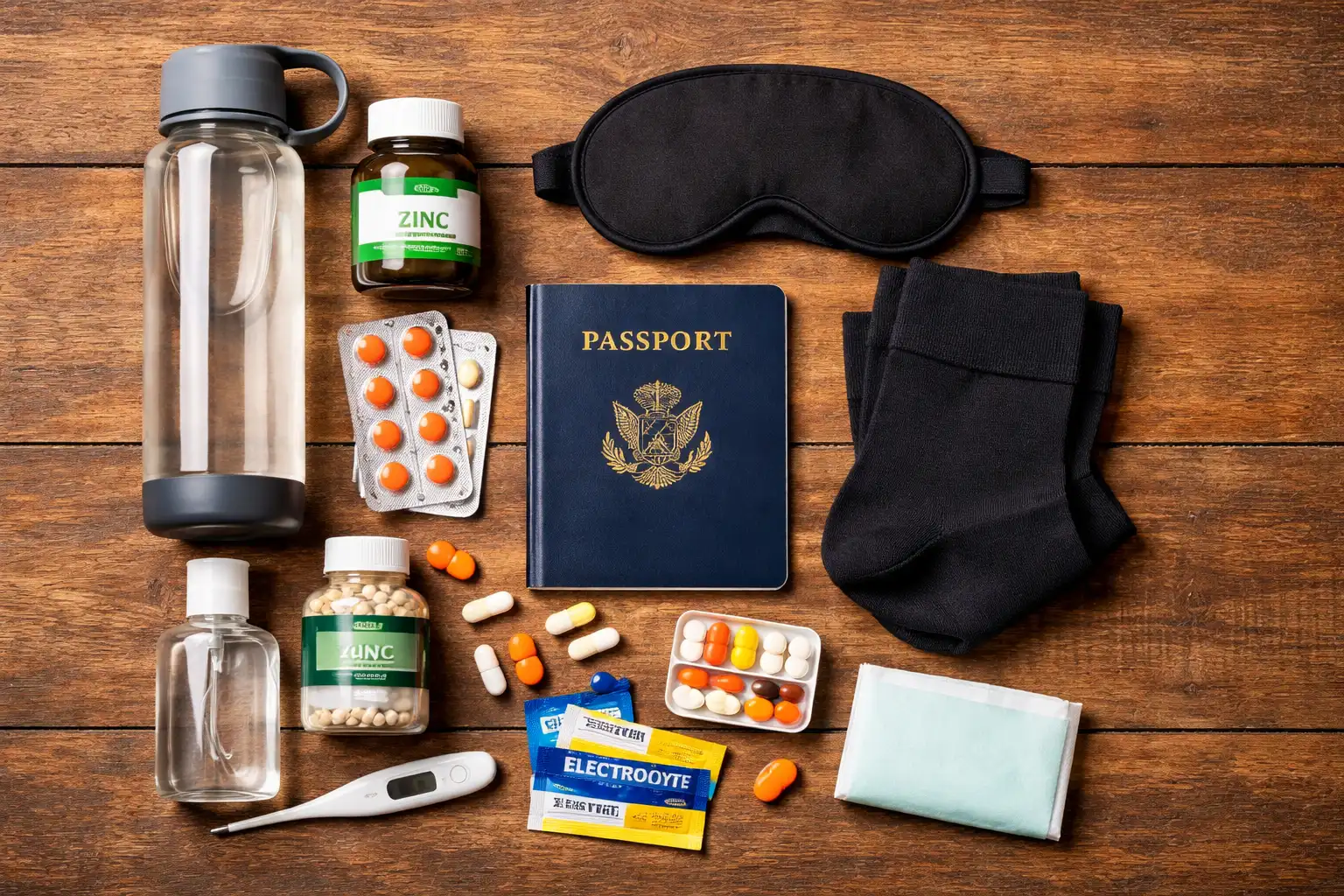
A travel health kit is one of the most important things you can carry when moving across multiple countries. You may not always have immediate access to pharmacies, especially in remote or unfamiliar areas.
The goal is to prepare for small issues before they become bigger problems. Things like headaches, stomach discomfort, or minor injuries can happen at any time during travel.
A well-prepared kit also saves you from searching for unfamiliar medications in different countries where language barriers may exist.
Essential Travel Health Kit Items
- Pain relievers and fever medication
- Anti-diarrhea and stomach relief medicine
- Motion sickness tablets
- Antiseptic wipes and hand sanitizer
- Bandages and plasters
- Prescription medications with labels
- Oral rehydration salts
- Basic cold and flu medicine
Keeping medications in their original packaging is very important because some countries may require proof of prescription at customs.
I also recommend separating your health kit into a small carry-on pouch so it is easily accessible during flights or long transit days.
Having this kit gives you confidence, especially when traveling through countries like or where climate changes and food adjustments may affect your body temporarily.
Eating Healthy While Moving Between Different Countries

Food is one of the best parts of traveling, but it can also be one of the biggest causes of health issues if you are not careful. Every country has different ingredients, preparation styles, and hygiene standards.
When I started traveling frequently, I quickly realized that eating everything without caution sometimes leads to stomach discomfort or fatigue. Balance is key, not restriction.
It helps to gradually introduce new foods instead of overloading your system on the first day in a new country.
Smart Eating Habits While Traveling
- Start with cooked foods before raw meals
- Choose busy restaurants with high turnover
- Drink bottled or filtered water
- Avoid unknown street food sources initially
- Eat light during long travel days
- Include fruits and vegetables when possible
Hydration also plays a big role in digestion, especially when switching between climates and cuisines. Your body needs time to adjust, and food choices can either help or slow that process.
In places like , food hygiene standards are generally very high, but your body may still need time to adjust to different flavors and ingredients.
The goal is not to avoid local food, but to eat it in a way that keeps your body comfortable throughout your journey.
Staying Hydrated and Managing Jet Lag Across Time Zones
Traveling across multiple countries often means crossing different time zones, which can confuse your body’s natural rhythm. Jet lag is one of the most common issues travelers face, especially during long flights.
Dehydration makes jet lag even worse, which is why many travelers feel tired, dizzy, or unfocused after landing.
Airplane cabins are also very dry, which means your body loses moisture faster than usual without you noticing it.
Hydration and Jet Lag Tips
- Drink water before, during, and after flights
- Avoid excessive caffeine and alcohol
- Adjust sleep schedule before traveling
- Get sunlight exposure after arrival
- Take short naps instead of long sleeps
- Move around during long flights
One thing that helped me personally was slowly adjusting my sleep schedule a few days before traveling. Even small changes made arrival days much easier to handle.
Jet lag usually affects people more when they immediately jump into a busy schedule after landing. Giving yourself a short recovery period helps your body reset naturally.
Maintaining Personal Hygiene While Traveling Frequently

Good hygiene habits are essential when moving through different environments. Airports, buses, trains, and crowded attractions expose you to many surfaces and people daily.
Simple hygiene habits can reduce your chances of getting sick significantly. It is not about being overly cautious, but about being consistent.
Even small actions like washing hands regularly or using sanitizer can make a big difference over time.
Daily Hygiene Practices for Travelers
- Wash hands frequently with soap or sanitizer
- Avoid touching your face unnecessarily
- Carry disinfectant wipes for surfaces
- Use bottled water when unsure of tap safety
- Keep personal items clean and dry
- Shower regularly after long travel days
Public transport systems in busy cities like or expose travelers to high contact surfaces, so hygiene awareness becomes even more important.
Maintaining hygiene does not require complicated routines. It is about small habits repeated consistently throughout your trip.
Protecting Yourself from Illnesses and Infections Abroad
Different countries expose travelers to different health risks, from seasonal flu variations to mosquito-borne illnesses in tropical regions. Understanding these risks helps you take simple precautions early.
In some destinations, insects are more active during specific seasons, while crowded cities may increase exposure to airborne illnesses.
The goal is not to worry constantly, but to stay aware and prepared.
Health Protection Strategies
- Use insect repellent in tropical regions
- Wear long sleeves in mosquito-heavy areas
- Use masks in crowded or polluted places
- Avoid untreated water sources
- Get recommended vaccinations
- Carry basic cold prevention medicine
When traveling through regions with warmer climates, mosquito protection becomes especially important. Even simple habits like covering your skin during evenings can reduce risks significantly.
Staying aware of your surroundings helps you avoid unnecessary health issues without limiting your travel experience.
Staying Physically Active While Traveling Long Distances

Travel often involves long periods of sitting, whether on planes, buses, or trains. This can make your body stiff, tired, and low on energy if you do not move regularly.
Physical activity does not need to be intense during travel. Small movements and simple routines can make a big difference in how you feel.
I often notice that I feel more energetic on trips where I walk frequently instead of relying on transport for every short distance.
Simple Ways to Stay Active While Traveling
- Stretch during long flights or bus rides
- Walk instead of taking short transport trips
- Use stairs when possible
- Do light morning stretches
- Explore cities on foot when safe
- Take movement breaks during layovers
Even in busy cities like , walking is often the best way to explore while also staying physically active.
Movement improves circulation, reduces fatigue, and helps your body adjust better to long travel schedules.
Managing Stress and Sleep for Better Travel Health
Sleep and stress levels have a huge impact on how your body handles travel. Constant movement, new environments, and schedule changes can easily disrupt rest if you are not careful.
Good sleep is one of the most underrated travel health tools. Without it, even simple activities feel more exhausting.
Stress also builds up quickly when travel plans are rushed or poorly organized, so managing expectations is important.
Sleep and Stress Management Tips
- Stick to a consistent sleep schedule when possible
- Use eye masks and earplugs during flights
- Avoid heavy meals before sleeping
- Limit screen time before bedtime
- Take short breaks during busy travel days
- Practice deep breathing when stressed
One thing I learned is that forcing yourself to stay active when your body clearly needs rest usually backfires. Listening to your body helps you enjoy travel more sustainably.
Sleep quality improves significantly when you create a simple nighttime routine, even while on the road.
Health Safety Tips for Multi-Country Travel (Final Checklist)

When traveling across multiple countries, small safety habits make a big difference in how smoothly your journey goes. Preparation is not about fear, it is about confidence.
Having a final checklist ensures you are not forgetting essential health-related details before moving between destinations.
Final Health Safety Checklist
- Keep emergency contacts saved offline
- Carry travel insurance details at all times
- Know nearby hospitals in each destination
- Store digital copies of prescriptions
- Keep a small emergency cash fund
- Stay updated on local health alerts
- Monitor your body for early signs of illness
Travel insurance becomes especially valuable when moving between countries because medical systems vary widely. Having support in emergencies removes a lot of uncertainty.
Being aware of local healthcare options also helps you react faster if something unexpected happens during your trip.
Final Thoughts
Staying healthy while traveling across multiple countries is not about strict rules, it is about consistent habits that support your body through constant change. When you prepare properly, eat wisely, stay hydrated, and rest well, your travel experience becomes much more enjoyable.
The goal is not perfection, but balance. When your body feels good, every destination becomes easier to explore, and every journey feels more rewarding.